Overview
Iceland sits on the Mid-Atlantic Ridge — the boundary between the North American and Eurasian tectonic plates — making it one of the most volcanically and geologically active places on Earth. This extraordinary geological situation has sculpted a landscape of dramatic contrasts: vast glaciers covering 11% of the island's surface, active volcanoes erupting regularly, boiling geothermal springs, dramatic waterfalls, black sand beaches, and fjords carved by ancient ice. For adventure travellers, Iceland is an endlessly compelling destination that rewards visits in every season with entirely different experiences.
The midnight sun of summer transforms Iceland into a place where time loses meaning — you can hike at midnight under a sun that never fully sets, surrounded by light so golden and soft it seems almost unreal. Winter brings the opposite magic: long dark nights illuminated by the aurora borealis, which dances across the sky in curtains of green, purple, and white light. Between these poles lie spring and autumn, each offering their own quieter charms and fewer crowds.
Best Adventures
Glacier Hiking
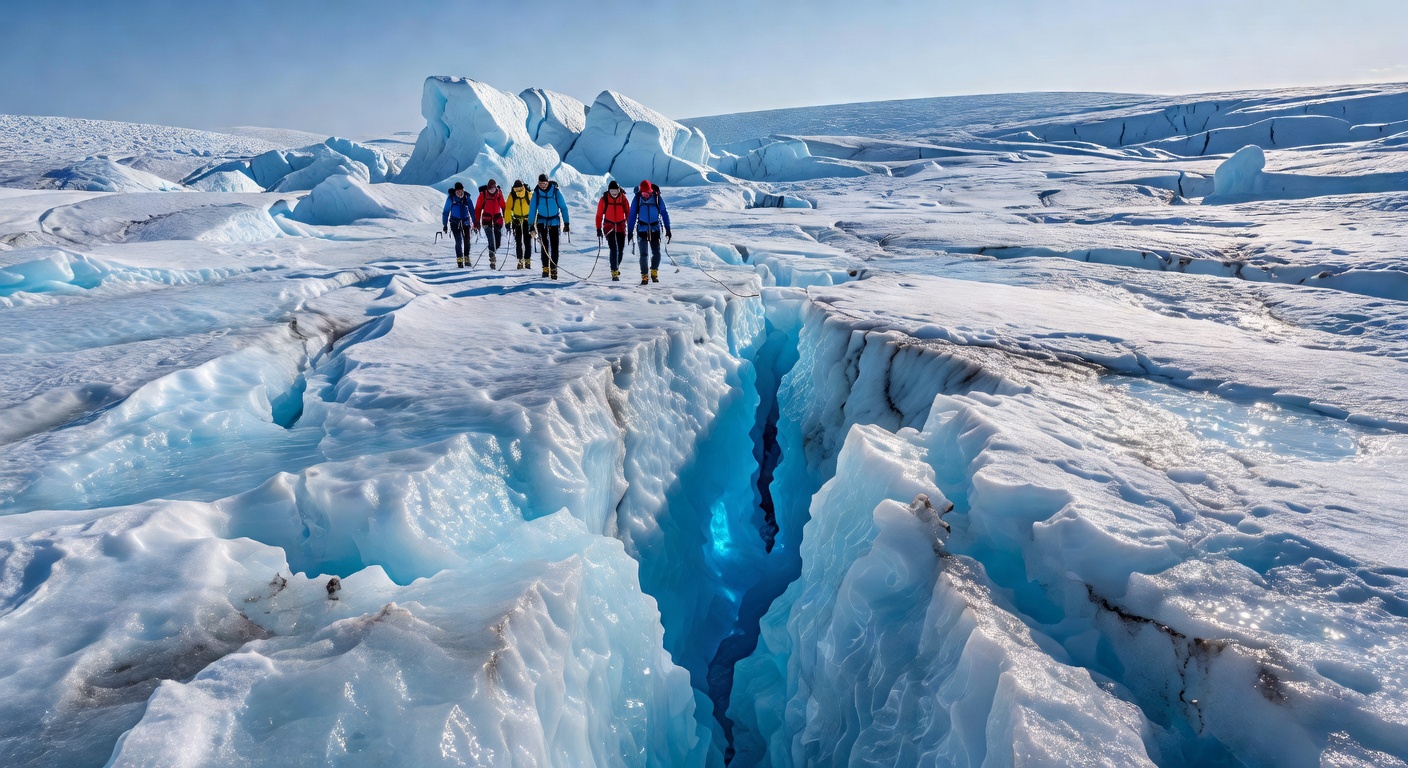
Iceland's glaciers are among the most accessible in the world. Vatnajökull — Europe's largest glacier, larger than all other European glaciers combined — and the smaller Snæfellsjökull and Sólheimajökull offer guided glacier walks suitable for beginners. Equipped with crampons and ice axes, guided tours take visitors onto the ice for experiences that range from 2-hour introductory walks to full-day mountaineering adventures. Ice cave tours, available from October to March when the ice is stable enough to enter, are among Iceland's most spectacular experiences.
Volcano Trekking
Iceland has over 130 volcanic mountains, and trekking on active volcanic terrain is one of the country's most unique adventure experiences. The Fimmvörðuháls trail crosses the lava field created by the 2010 Eyjafjallajökull eruption — a dramatic landscape of frozen lava flows, steam vents, and fresh black rock. The Laugavegur trail (55km, 4–5 days) crosses lunar-like landscapes of geothermal hot springs, obsidian fields, and colourful rhyolite mountains. For those seeking the ultimate volcano experience, the Thrihnukagigur volcano interior can be descended via cable car into a magma chamber that once held molten rock.
Northern Lights Hunting
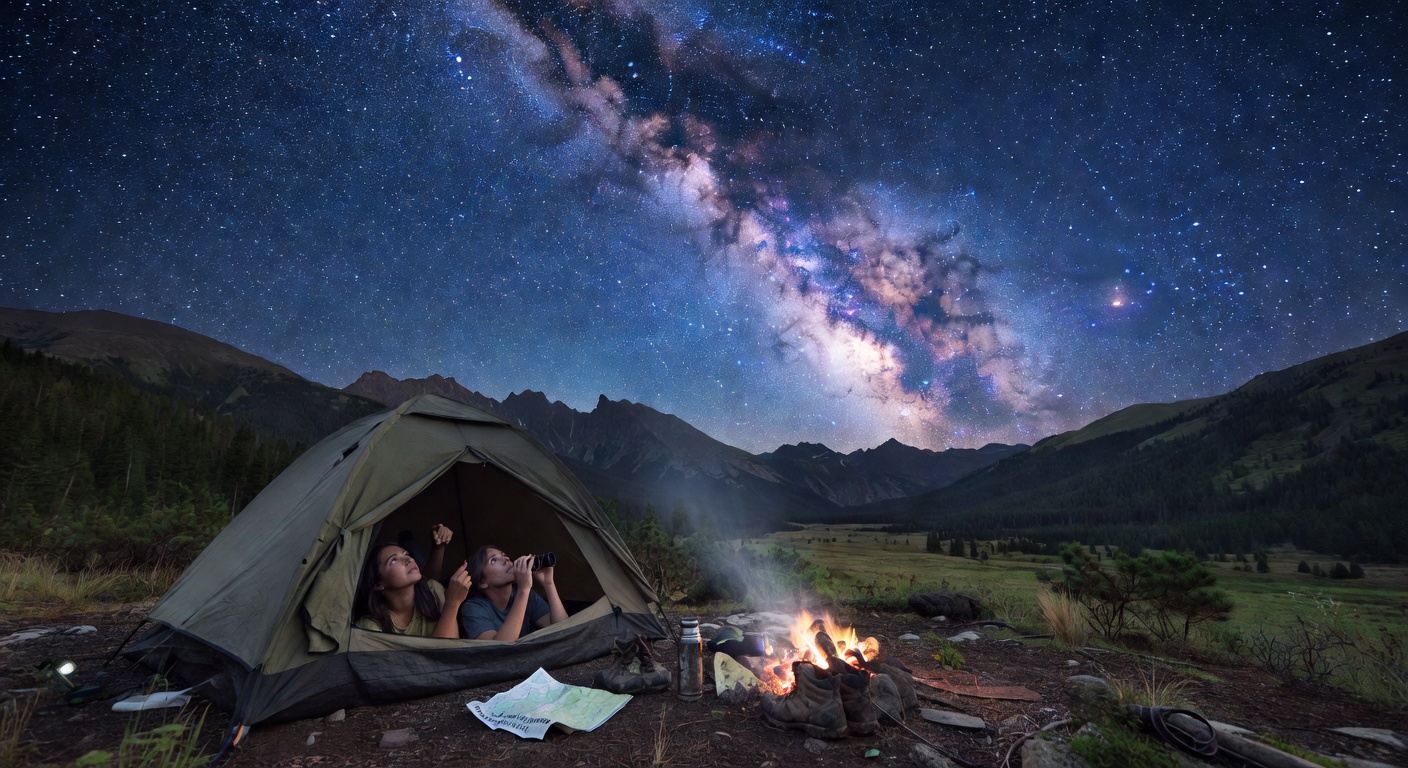
The aurora borealis is visible from Iceland between September and March, with October, November, and February offering the best combination of darkness and clear skies. The aurora forecast (kp-index) is published daily by the Icelandic Met Office — a kp of 3 or higher gives good visibility under clear skies far from city light pollution. Aurora tours by 4WD vehicle take visitors into remote highland areas away from light pollution, often combining the experience with hot spring soaking and stargazing.
Sea Kayaking the Westfjords
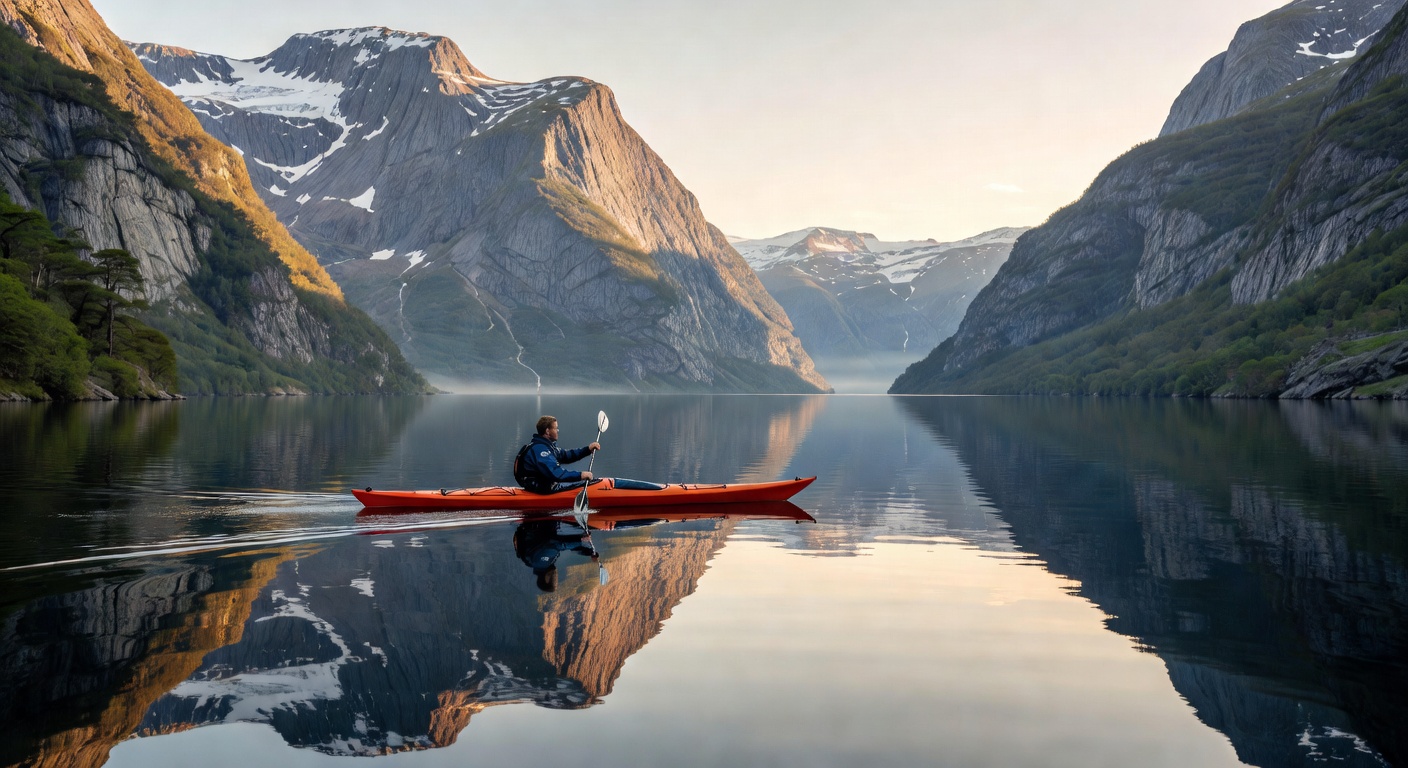
The Westfjords, Iceland's most remote peninsula, offers some of Europe's most spectacular sea kayaking. Deep fjords carved by ancient glaciers create calm, protected waterways flanked by towering basalt cliffs. Wildlife encounters are exceptional — Arctic foxes, puffins, seals, and in summer, humpback whales are all regular sightings from the kayak. Multi-day kayak camping expeditions allow access to beaches and headlands that are simply unreachable any other way.
Best Time to Visit
Midnight Sun
Northern Lights
Auroras + Snow
Harsh Winter
Practical Information
Getting There
Keflavík International Airport, 50km from Reykjavík, is served by direct flights from North America, Europe, and increasingly Asia. Iceland is a natural stopover between Europe and North America — many transatlantic flights allow free stopovers. The FlyBus shuttle connects the airport to Reykjavík's BSÍ terminal in 45 minutes.
Getting Around
The famous Ring Road (Route 1) circles the entire island and provides access to most major attractions. A 4WD vehicle is essential for highland roads, which are only open in summer. Car rental is the most flexible way to explore — book well in advance for summer, when demand far exceeds supply. Guided tours are plentiful for those who prefer not to drive, especially for glacier, aurora, and highland experiences.
Essential Tips
- Weather changes rapidly and dramatically — always carry waterproofs and warm layers regardless of forecast
- Never walk on moss — it takes centuries to grow and is protected by law
- Photography is exceptional year-round but particularly at the golden hour, which lasts for hours in summer
- The tap water in Iceland is among the cleanest in the world — no need to buy bottled water
- Book accommodation and car rental at least 6 months ahead for summer travel
- Iceland is expensive — budget at least $200/day for comfortable independent travel