Types of Rock Climbing
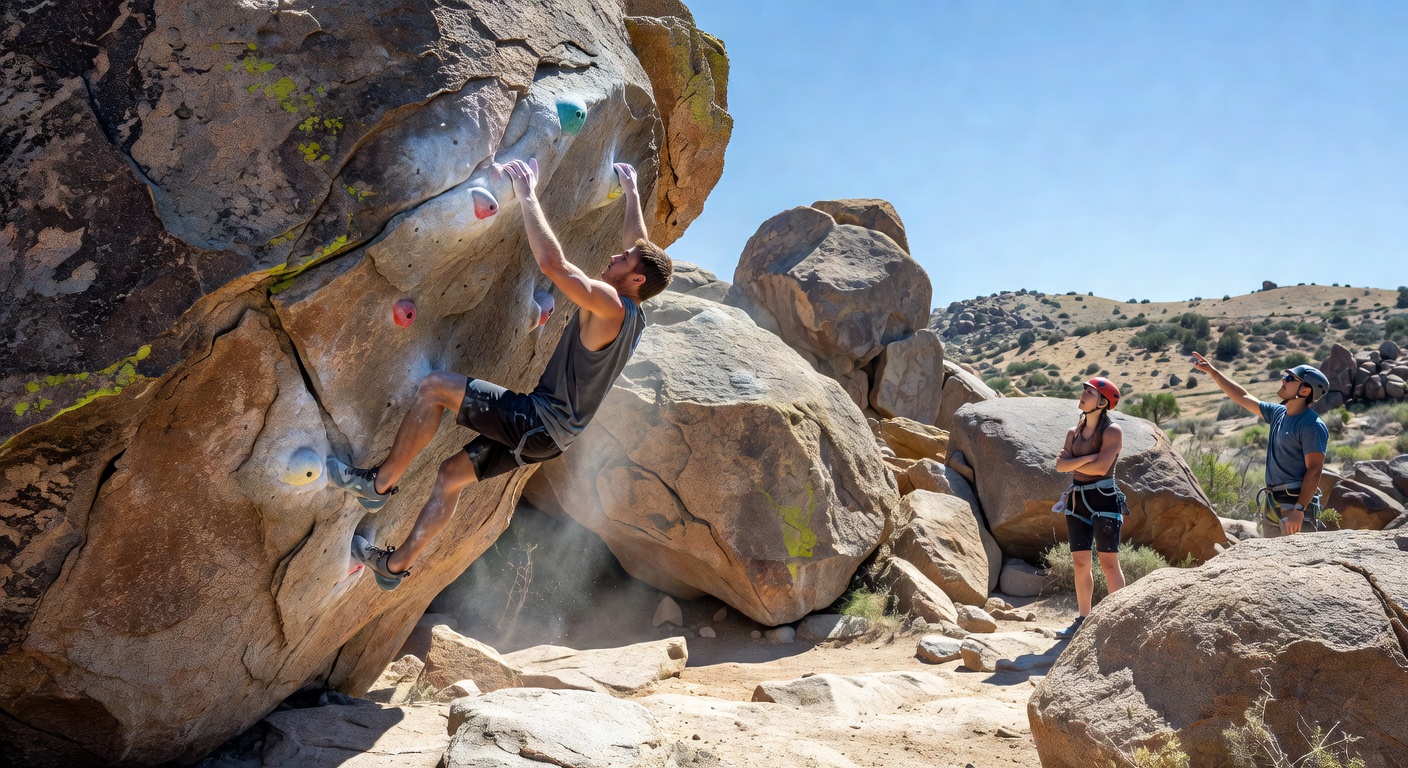
Rock climbing is not a single sport — it is a family of disciplines united by the fundamental act of ascending rock using hands, feet, and body positioning. Each discipline has its own culture, equipment, skills, and community. Understanding the landscape helps you choose the right entry point and progression path for your goals and personality.
Bouldering
Bouldering involves climbing short, powerful problems — typically up to 5 metres high — on boulder formations or indoor walls. No ropes or harnesses are used; instead, crash pads on the ground provide fall protection. Bouldering is the fastest-growing climbing discipline because it requires minimal gear, is highly social, and provides an intense, concentrated workout that builds strength and technique rapidly. Indoor bouldering gyms have lowered the barrier to entry enormously. The V-scale (V0–V17) rates boulder problem difficulty. Most beginners can reach V4–V5 within their first year with consistent training.
Sport Climbing
Sport climbing involves ascending routes equipped with permanent bolt anchors drilled into the rock. A belayer on the ground manages the rope as the lead climber clips quickdraws to each bolt for protection. If the climber falls, they fall twice the distance to their last clipped bolt. Sport climbing allows focus on difficult movement and technique without the added complexity of placing traditional protection. The French numerical system (5a–9c) is universally used to grade sport routes. Single-pitch sport routes are typically 15–35 metres.
Traditional (Trad) Climbing
Traditional climbing requires the climber to place their own removable protection — nuts, hexes, and spring-loaded camming devices — into cracks as they ascend. This protection is then removed by the second climber following the pitch. Trad climbing demands greater skill, judgment, and gear knowledge than sport climbing, and the consequences of poor protection placement are severe. It is the original form of rock climbing and remains the foundation of alpinism and big wall climbing. Learning trad climbing typically requires formal mentorship or guiding from an experienced practitioner.
Free Solo Climbing
Free solo climbing — ascending without any rope or protection — represents the most extreme expression of the sport. It is practiced by a tiny elite and is not recommended as a goal for recreational climbers. The risks are absolute and unforgiving. We mention it here for completeness and recommend that all recreational climbers use appropriate safety systems at all times.
Essential Equipment
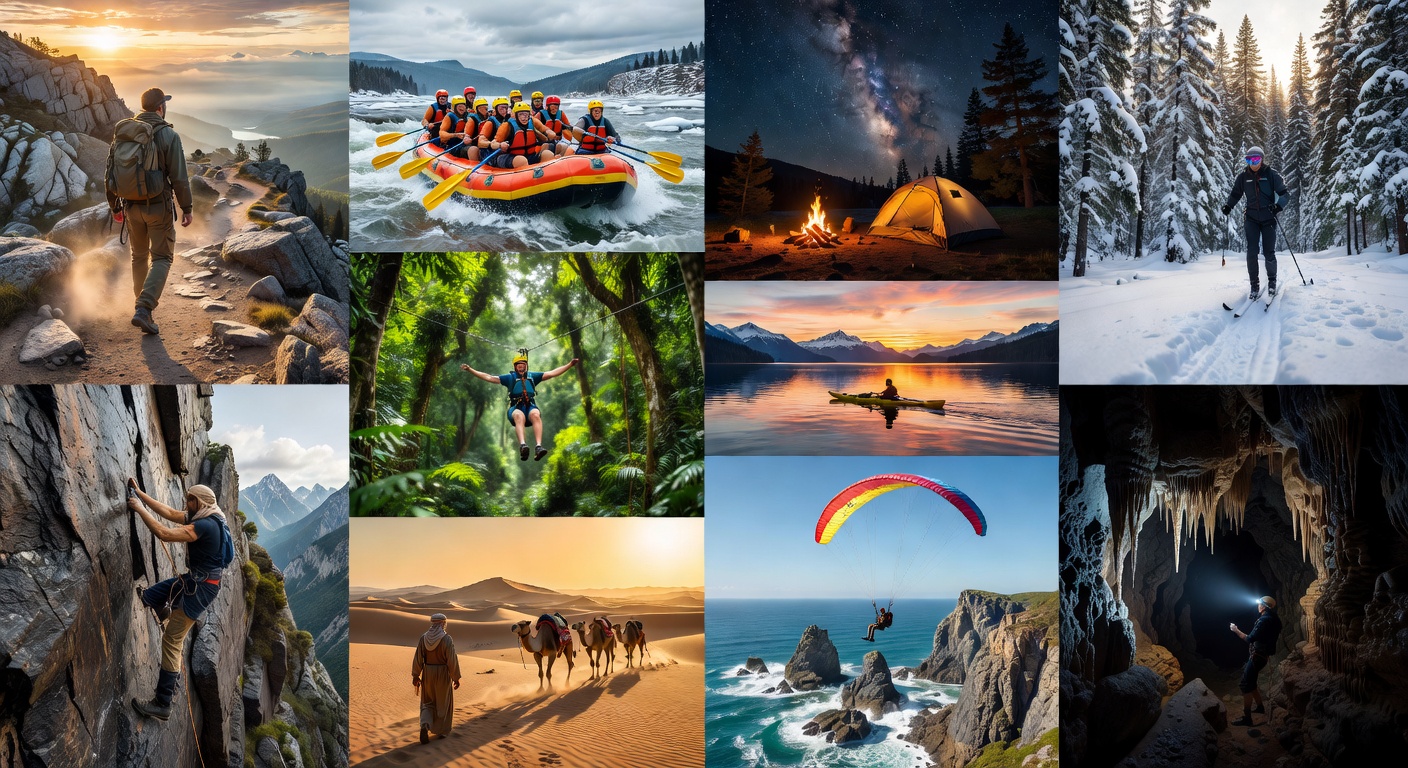
Climbing equipment has evolved dramatically over the past three decades. Modern gear is lighter, stronger, and more reliable than ever, but it must be used correctly and maintained scrupulously. Never use climbing equipment that is damaged, past its service life, or that you do not fully understand how to use. When in doubt, consult a certified guide or experienced mentor.
Climbing Shoes
Climbing shoes use a sticky rubber sole and a snug, precise fit to maximise friction and sensitivity on rock. Beginners should look for a relatively flat, moderately stiff shoe — aggressive downturned shoes are for experienced climbers on overhanging routes. Shoes should feel snug but not painful: significant discomfort is counterproductive and unsustainable. Brand recommendations: La Sportiva, Scarpa, and Five Ten (Adidas) all make excellent entry-level shoes.
Harness
A climbing harness consists of a waist belt and leg loops connected by a belay loop. For sport and trad climbing, look for a padded, adjustable harness that fits snugly over one to two layers of clothing. Ensure all buckles are double-backed after fitting. Harnesses have a service life of 10 years from manufacture or until they show signs of wear, UV damage, or chemical contamination. Inspect before every use.
Rope
Dynamic single ropes (9.4–10.5mm diameter, 50–70 metres long) are the standard for sport and trad climbing. Dynamic ropes stretch under load, absorbing fall energy and reducing impact forces on the climber and protection. Never use a static rope for lead climbing. Store ropes away from sunlight, chemicals, and sharp edges. Retire a rope after any severe fall, after 10 years, or when the sheath shows significant wear.
Belay Device and Carabiners
A belay device manages the rope during lead climbing and rappelling. The ATC-style tube device and assisted-braking devices (such as the Grigri by Petzl) are the most common types. Assisted-braking devices provide an extra margin of safety but require proper technique — they are not foolproof. Use only locking carabiners for belay and anchor systems; non-locking carabiners are for quickdraws and gear placement only.
Techniques for Beginners
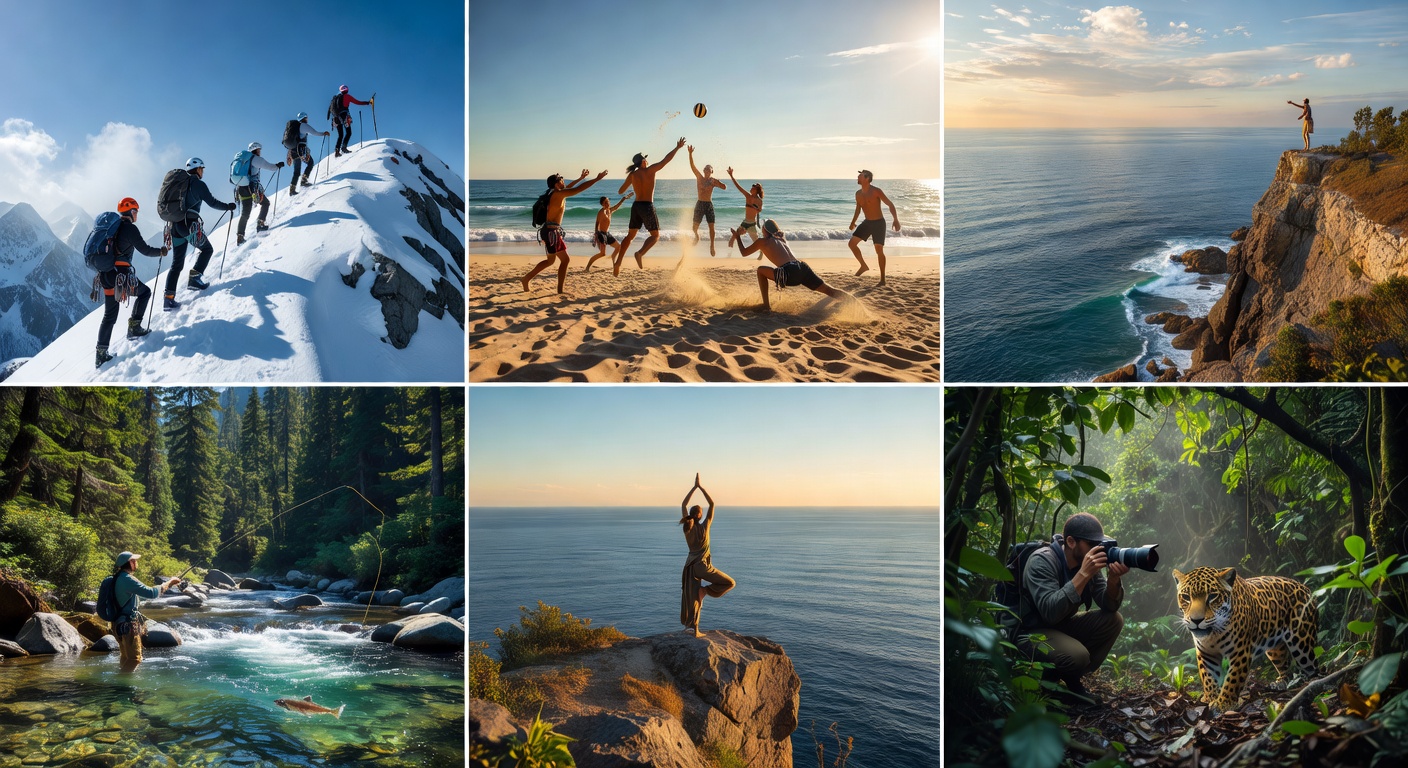
The most important lesson for beginning climbers is deceptively simple: climbing is done with your legs, not your arms. The large muscles of your legs are far stronger and more fatigue-resistant than your arms. Learning to stand on your feet and push upward, rather than pulling with your arms, is the fundamental skill that separates experienced climbers from beginners.
Footwork
Precise footwork is the foundation of efficient climbing. Place your feet on holds deliberately and precisely — aim to place the toe box of your shoe exactly where you want it, not approximately near it. Once placed, trust the hold and commit your weight to it. Beginners frequently look at their hands and neglect their feet, resulting in sloppy placements and unnecessary energy expenditure. Force yourself to look at your feet when placing them, especially early in your climbing career.
Body Positioning
Keep your hips close to the wall and your arms relatively straight when resting on holds. Bent arms mean working biceps; straight arms mean resting on skeletal structure. On steep terrain, twist your hips into the wall to bring your centre of gravity closer to the rock and extend your reach. On slabs (less than vertical), lean your body away from the wall to increase friction on your feet.
Reading Routes
Before climbing any route, take time to read it from the ground: identify the holds, plan your sequence, anticipate where you will clip protection, and identify rest positions. Visualise your movement. Climbers who solve problems on the ground before they start climbing are significantly more efficient and confident than those who improvise as they go.
Advanced Techniques

As you develop confidence on single-pitch routes, a world of more challenging and rewarding climbing opens up. Advanced techniques build on the foundations of footwork and body positioning, adding subtlety, power, and the ability to manage increasingly demanding situations.
Dynamic Movement
Dyno (dynamic move) involves using momentum to reach a hold that cannot be accessed statically. A well-executed dyno is both powerful and precise: generate upward momentum from the legs, release the starting holds at the apex of your jump, and catch the target hold cleanly. Dynos range from a short lunge to a full-body jump spanning several metres on boulder problems.
Crack Climbing
Crack climbing uses the technique of jamming hands, fists, fingers, or feet into crack features in the rock to generate opposing pressure that holds the climber in place. Finger jams, hand jams, and fist jams each require specific technique. Crack climbing is the primary skill set for trad climbing on granite formations like Yosemite Valley and the Lake District.
Multi-Pitch and Big Wall Climbing
Multi-pitch climbing extends beyond a single rope length, requiring climbers to build anchors at belay stations and swap leads over multiple pitches. Big wall climbing — extended routes on formations like El Capitan in Yosemite — can take multiple days, requiring climbers to haul gear, sleep in portaledges, and manage complex systems of ropes and equipment at height.
Best Climbing Destinations
The world's great climbing destinations offer an extraordinary range of rock types, climbing styles, and contexts. Yosemite Valley, California, is the birthplace of modern big wall climbing and offers world-class granite crack climbing. Kalymnos, Greece, is a sport climbing paradise with over 3,000 bolted routes on limestone. Fontainebleau Forest near Paris is the world's most celebrated bouldering destination. The Red River Gorge in Kentucky offers superb sandstone sport climbing. Railay Beach in Thailand combines stunning scenery with excellent limestone sport climbing. And the Dolomites in northern Italy provide a unique mix of via ferrata, sport climbing, and mountaineering in a stunning alpine setting.
Safety Guidelines
Never climb above your ability level in an unfamiliar environment without appropriate safety measures. Always double-check your tie-in knot before leaving the ground — the figure-eight follow-through is standard, and your belayer should verify it. Check your belayer's device setup and the gate closure of all locking carabiners. Helmets are mandatory in all outdoor climbing — rockfall is a constant risk even on apparently clean routes. Learn to fall safely: relax, bend slightly, and aim to distribute the impact across your back and side rather than landing on extended arms or knees.