Overview
Nepal occupies a miraculous slice of the planet — a narrow band of territory that spans subtropical lowlands and the highest mountain peaks on Earth. Eight of the world's ten highest mountains rise from Nepali soil, including Everest itself at 8,849 metres. For adventure travellers, Nepal is a place of pilgrimage: a destination that has inspired expeditions, defined careers, and changed lives for generations of mountaineers, trekkers, and adventurers from around the world.
But Nepal is far more than just its mountains. The country's extraordinary cultural heritage — Buddhist monasteries perched on hillsides, ancient Newari cities in the Kathmandu Valley, and the spiritual warmth of the Sherpa and Gurung peoples — adds a depth of experience that elevates any adventure here from a physical challenge to a genuine journey of the soul. The kindness and resilience of Nepal's people, who have endured devastating earthquakes and economic hardship with remarkable grace, leave a lasting impression on nearly every visitor.
The trekking infrastructure in Nepal is among the world's most developed. Well-maintained trails connect teahouses and lodges across the major trekking regions, making multi-week journeys possible with only a daypack and a modest budget. The Everest, Annapurna, and Langtang regions each offer distinct landscapes, cultures, and challenges. For those seeking more remote experiences, routes like the Upper Mustang, Dolpo, and Kanchenjunga circuits offer genuine wilderness with far fewer fellow trekkers.
Top Experiences
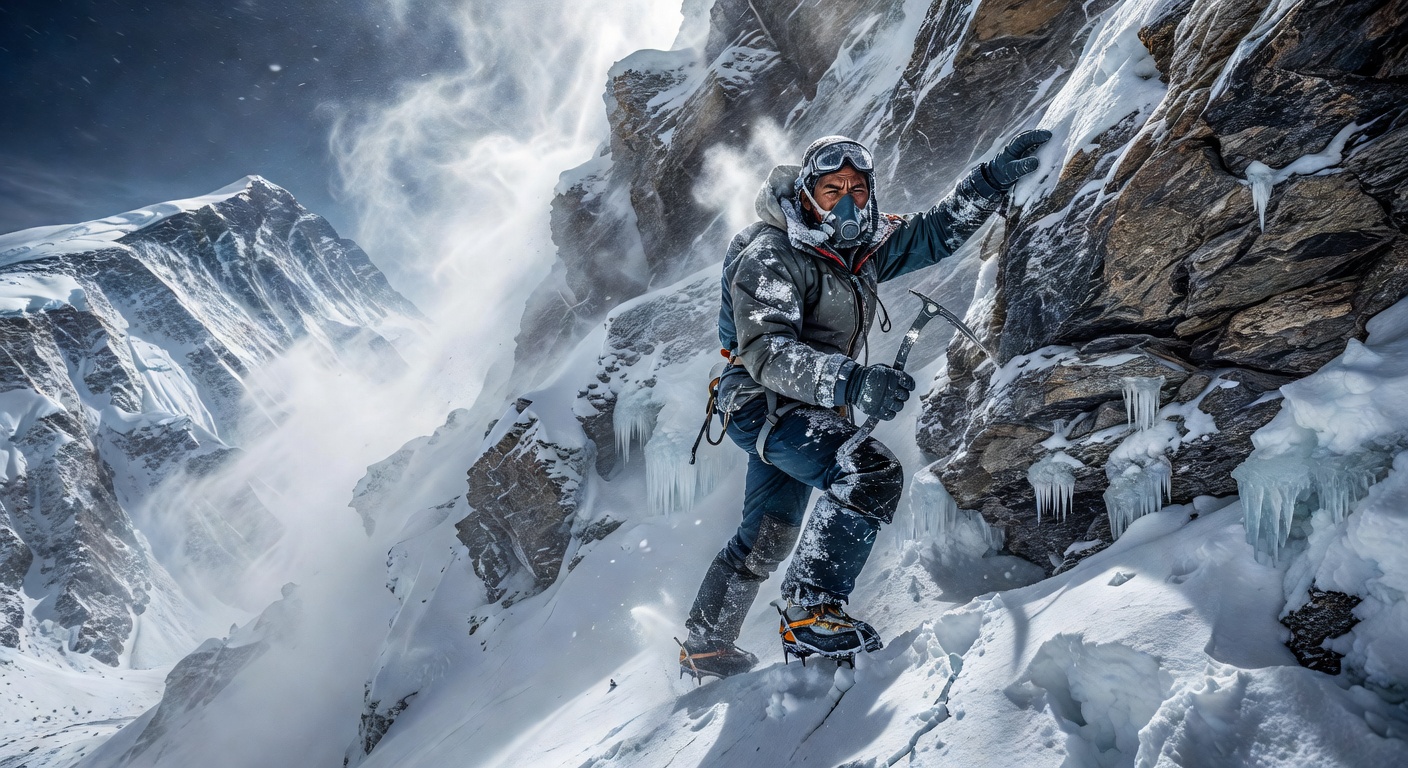
Everest Base Camp Trek
The iconic 130km round trip to the foot of the world's highest mountain. 12–14 days, maximum altitude 5,364m. The most famous trek on Earth.
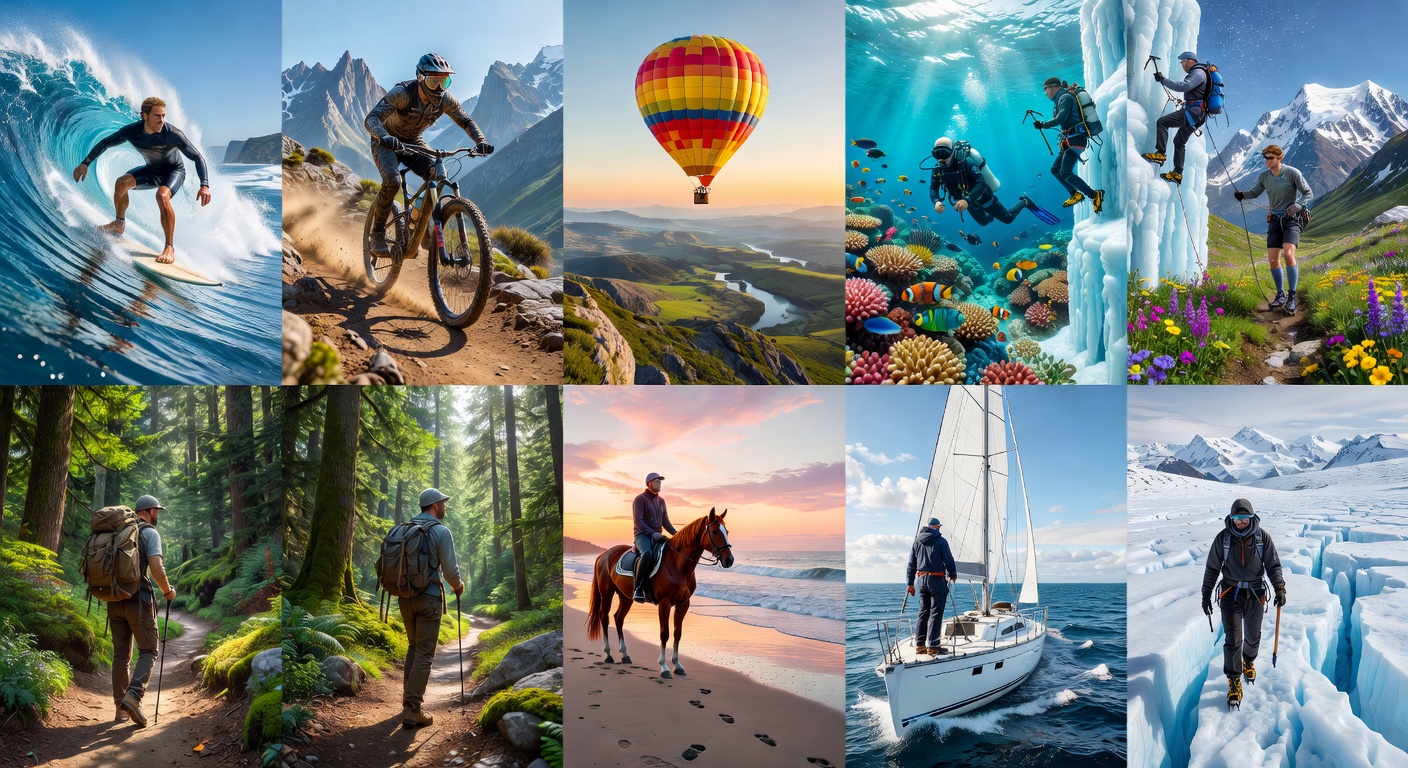
Glacier Hiking
Walk on the Khumbu Glacier or the Ngozumpa Glacier — the largest glacier in Nepal. Dramatic ice formations, crevasses, and seracs create an otherworldly landscape.
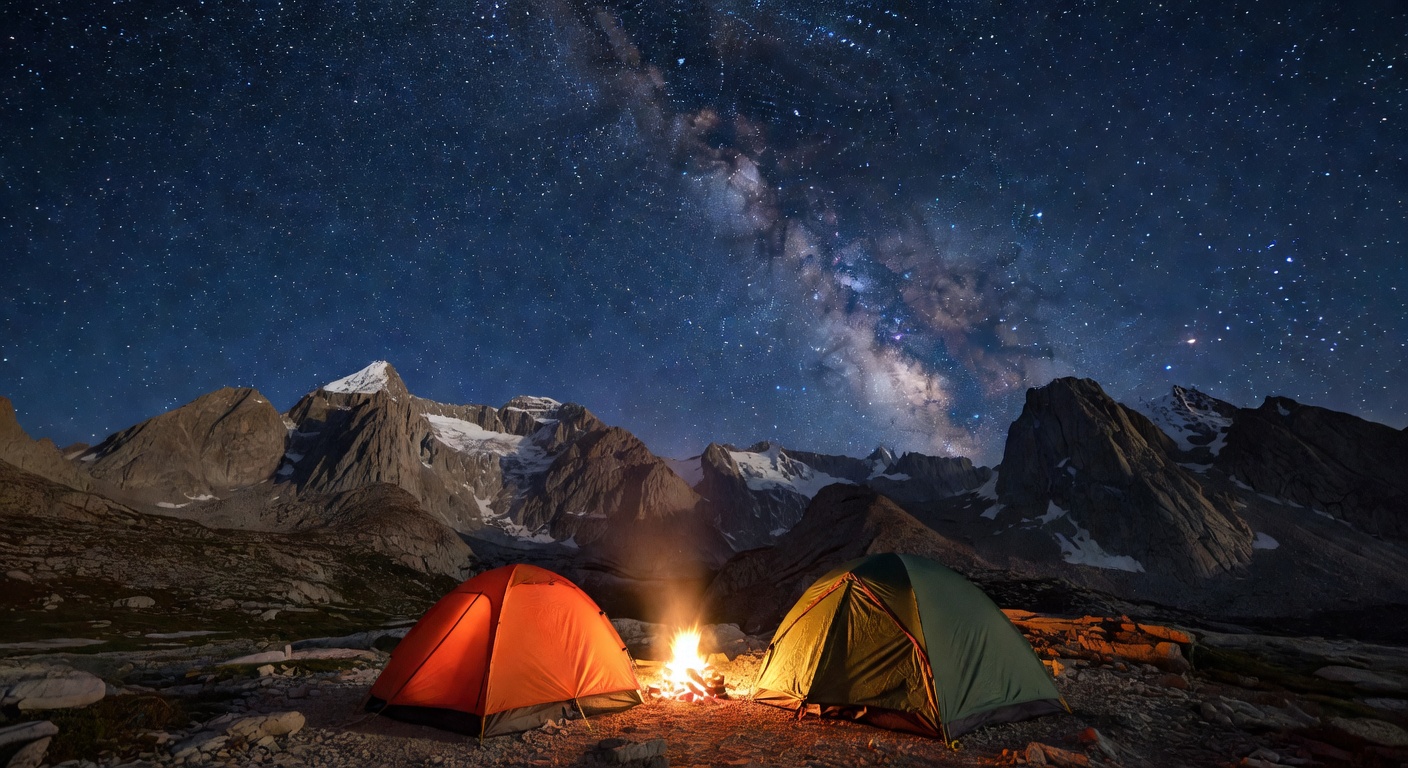
Peak Summiting
Nepal offers 33 "trekking peaks" open for permit-based ascents without full mountaineering expeditions. Island Peak (6,189m) is a popular objective for ambitious trekkers.
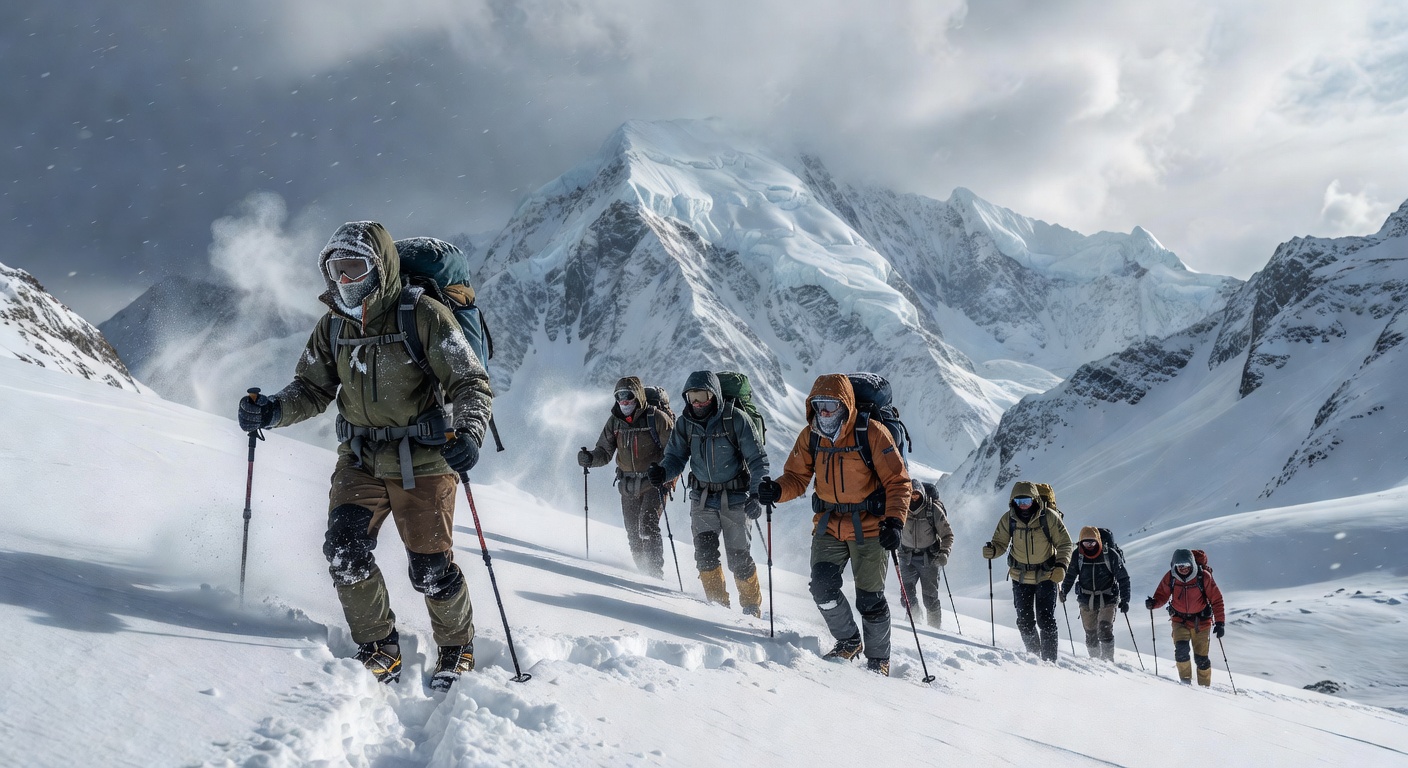
Annapurna Circuit
One of the world's great long-distance treks circles the Annapurna massif through diverse landscapes — from subtropical forests to high-altitude desert — over 21 days.
Best Time to Visit
Nepal has two primary trekking seasons, both governed by the monsoon cycle. The post-monsoon autumn season (October–November) is generally considered the best time to visit: skies are crystal clear after the monsoon rains have washed away dust and haze, temperatures are moderate, and the trails are alive with fellow trekkers in a festive atmosphere. Visibility is exceptional for mountain views.
Best Season
Good
Monsoon
Cold
The spring season (March–May) is the second major trekking window and particularly popular with climbers targeting Everest and other 8,000m peaks. Rhododendron forests blaze with colour along lower elevation trails. The monsoon season (June–September) brings heavy rainfall that makes trails muddy and mountain views elusive, though the rain shadow regions of Upper Mustang remain accessible.
Getting There
Tribhuvan International Airport in Kathmandu is the main international gateway. Direct flights connect Kathmandu with major Asian hubs including Delhi, Dubai, Singapore, Bangkok, and Guangzhou. European and American travellers typically connect through one of these hubs. Flight times from London are approximately 10 hours with one connection. Visa on arrival is available for most nationalities at the airport — bring two passport photos and the current fee in US dollars.
Essential Tips
- Acclimatise properly — do not rush elevation gain above 3,000m
- Hire a licensed local guide or porter to support the local economy and enhance your experience
- Carry small denomination Nepali rupees — many teahouses do not accept cards
- Purchase comprehensive travel insurance that covers high-altitude evacuation
- Register with TIMS (Trekkers' Information Management System) and obtain required permits before trekking
- Drink only boiled or filtered water — water purification tablets or a SteriPen are essential
- Respect religious sites: remove shoes at temple entrances and walk clockwise around stupas and mani walls
- Pack for a wide temperature range — temperatures can drop to -15°C at high altitude even in the best seasons
Accommodation Guide
Nepal offers accommodation to suit every budget and preference. In Kathmandu, options range from basic guesthouses in the Thamel backpacker district (from $10/night) to luxury heritage hotels in converted palaces. On the trekking trails, teahouses (locally owned lodges providing food and basic accommodation) form an extensive network that makes self-supported trekking possible without camping equipment. Teahouse costs typically include a room for $5–15 and meals at additional cost, with the expectation that guests will eat at the teahouse they sleep in. Bedding is provided but a sleeping bag liner is recommended for comfort and hygiene at high altitude.