Overview
Patagonia occupies the southern tip of South America, shared between Chile and Argentina, and represents one of the last great wildernesses on Earth. Here, the Andes dissolve into a labyrinth of fjords, glaciers, and islands before disappearing into the Southern Ocean. The landscape is defined by extremes: the jagged granite towers of Torres del Paine and Los Glaciares that pierce the sky, the Perito Moreno Glacier that advances relentlessly into Lake Argentino, and the howling Patagonian winds that can reach hurricane force with minimal warning.
Patagonia has a mythological quality that draws adventurers from around the world. Part of this is the sheer scale and drama of the landscape — photographs simply cannot convey the dimensions of a mountain face that rises 2,000 metres from a turquoise lake, or the thunderous crack of a glacier calving. Part of it is the remoteness: Patagonia remains genuinely, profoundly wild in ways that most of the world no longer is. And part of it is the wind — the Patagonian wind is legendary, character-forming, often infuriating, and ultimately, like everything about this extraordinary place, unforgettable.
Best Adventures
Torres del Paine W Circuit
The W Circuit is the iconic Patagonian trek — five days of walking through the most dramatic landscapes imaginable, visiting the Grey Glacier, Valle del Francés, and the Torres del Paine towers themselves. The circuit can be completed as a hut-to-hut trek (staying in comfortable refugios) or with tent camping for a more immersive experience. The trail is excellent throughout, though Patagonian weather demands full waterproofs and warm layers at all times. Book refugio accommodation 6–12 months in advance — this trek is enormously popular and sells out quickly.
Mountain Biking
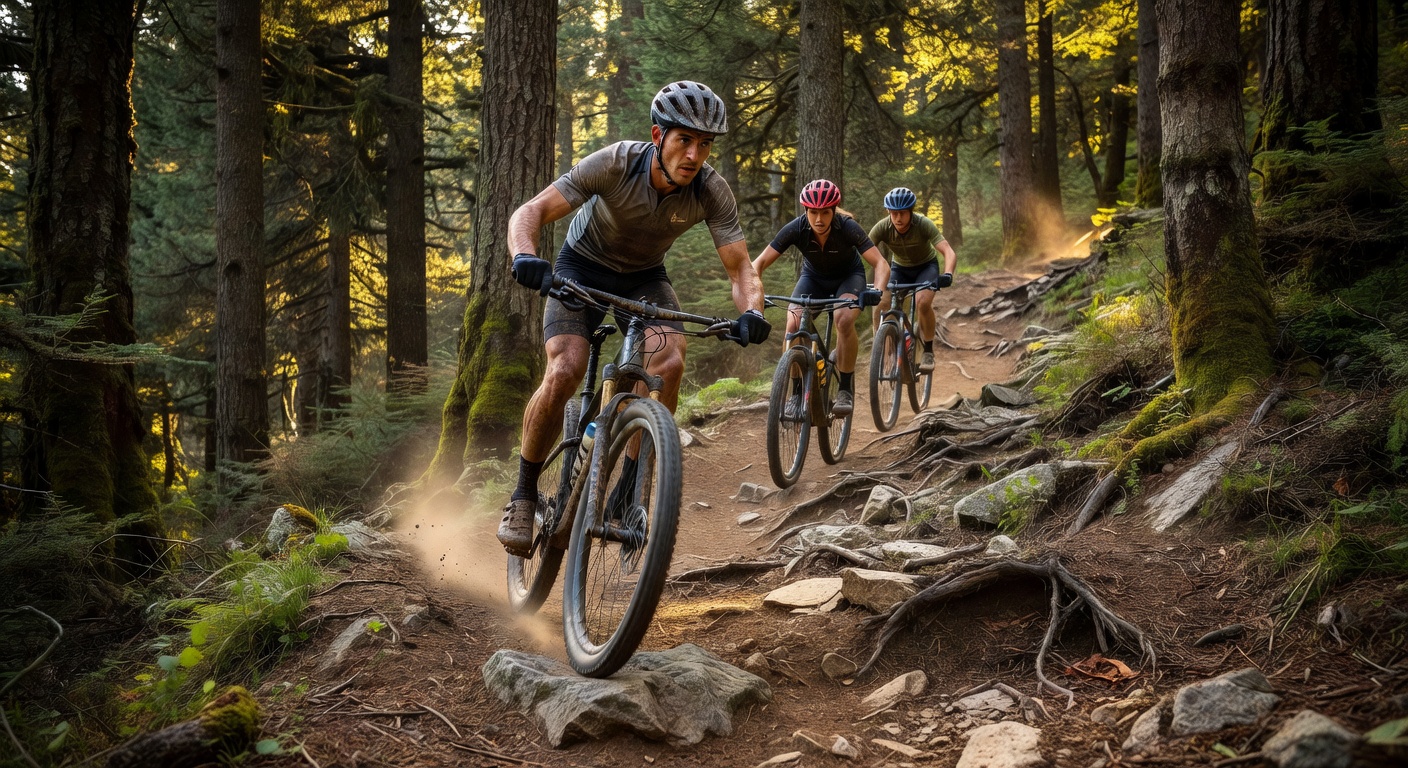
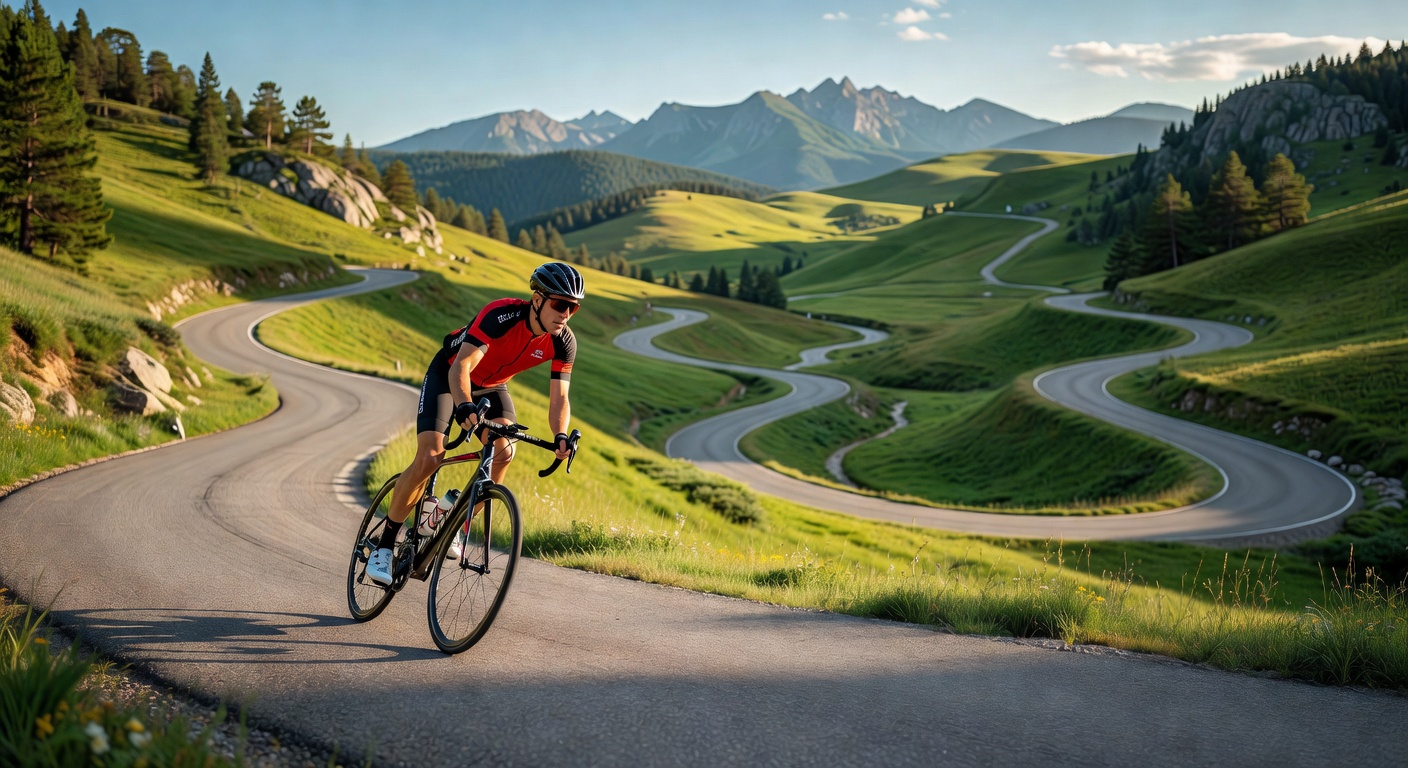
Patagonia's remote gravel roads and mountain terrain offer extraordinary multi-day mountain biking adventures. The Carretera Austral — Chile's legendary Route 7, stretching 1,240km through the Patagonian wilderness — is one of the world's great cycling routes, combining dramatic scenery with genuine exploration through communities reachable by no other means. Bike touring operators offer supported expeditions, but independent cyclists with solid mechanicals and camping experience can self-support the entire route.
Whitewater Rafting
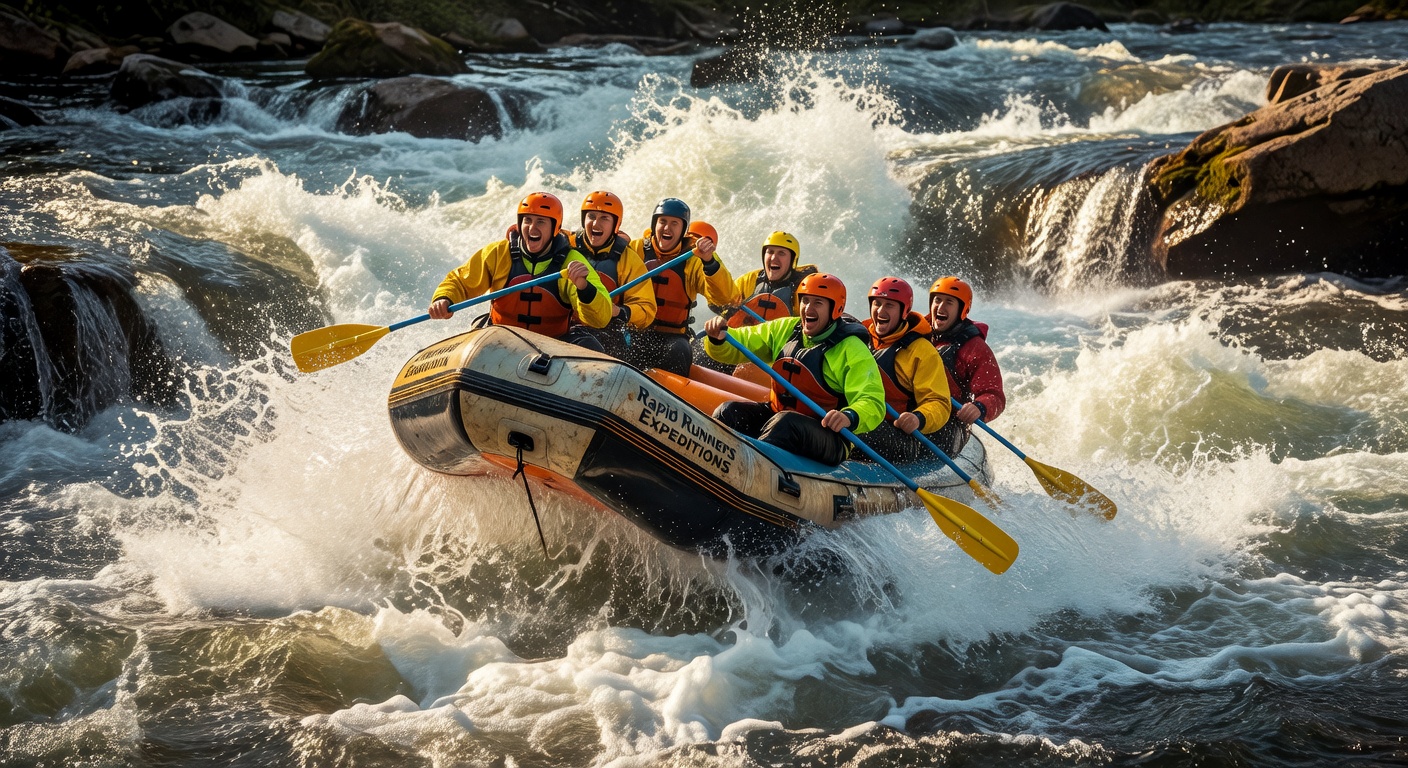
Patagonia's glacial rivers offer some of South America's most thrilling whitewater. The Río Futaleufú in Chilean Patagonia is consistently ranked among the world's top five whitewater rivers — its turquoise glacial waters and continuous Class IV–V rapids create a multi-day rafting experience that is both visually spectacular and technically demanding. Half-day and full-day rafting trips are available for less experienced paddlers on the calmer upper sections.
Paragliding
The Patagonian wind that frustrates trekkers is a paraglider's dream. The thermals generated by the dramatic terrain, combined with consistently strong and predictable wind directions, create extraordinary soaring conditions. Puerto Natales and El Calafate both have established paragliding operations. Tandem flights allow beginners to experience the sensation of soaring above Patagonian wilderness with an experienced pilot — a perspective on this landscape that even the finest trek cannot match.
Best Time to Visit
Best Season
Shoulder
Winter
Avoid
The austral summer (November–March) is the main trekking season. December and January offer the longest days and best weather probability, though these are also the busiest months. November and March have fewer crowds and can offer spectacular conditions — March is particularly recommended for the golden autumn colours that begin to appear on the lenga beech forests.
Essential Tips
- Book Torres del Paine camping and refugio accommodation 6–12 months in advance
- Always carry emergency layers — Patagonian weather changes in minutes, not hours
- Wind can genuinely knock you off your feet on exposed ridges — lean into it and lower your centre of gravity
- Campfires are strictly prohibited in the national park — use a camp stove
- Entry permits for Torres del Paine are required and must be booked online in advance in peak season
- The nearest medical facilities are in Puerto Natales (Chile) and El Calafate (Argentina) — comprehensive travel insurance is essential