Overview
Most travellers think of Japan as a destination of temples, technology, and street food — and they are right. But Japan is also a land of profound wildness that the tourist brochures rarely convey. Seventy percent of Japan is mountainous and forested, and its archipelago stretches from subtropical Okinawa to sub-Arctic Hokkaido, encompassing an extraordinary range of landscapes and outdoor adventures. Japanese mountains receive some of the world's most extraordinary snowfall, Japanese forests are among the most ancient and sacred on Earth, and Japanese rivers and coastlines offer kayaking and surfing that rivals any destination globally.
The cultural dimension of adventure in Japan is equally compelling. Hiking the ancient pilgrimage routes — the Kumano Kodo, the Nakasendo, the Shikoku circuit — combines physical challenge with a deep engagement with Japanese history, Shinto and Buddhist practice, and the concept of satoyama (the interface between human settlement and mountain wilderness) that has shaped Japanese culture for millennia. You can sleep in mountain huts staffed by remarkable people who have dedicated their lives to a single peak, soak tired muscles in outdoor onsen (hot springs) carved from volcanic rock, and eat food that reflects a uniquely Japanese relationship with the seasons and the land.
Best Adventures
Powder Skiing in Hokkaido
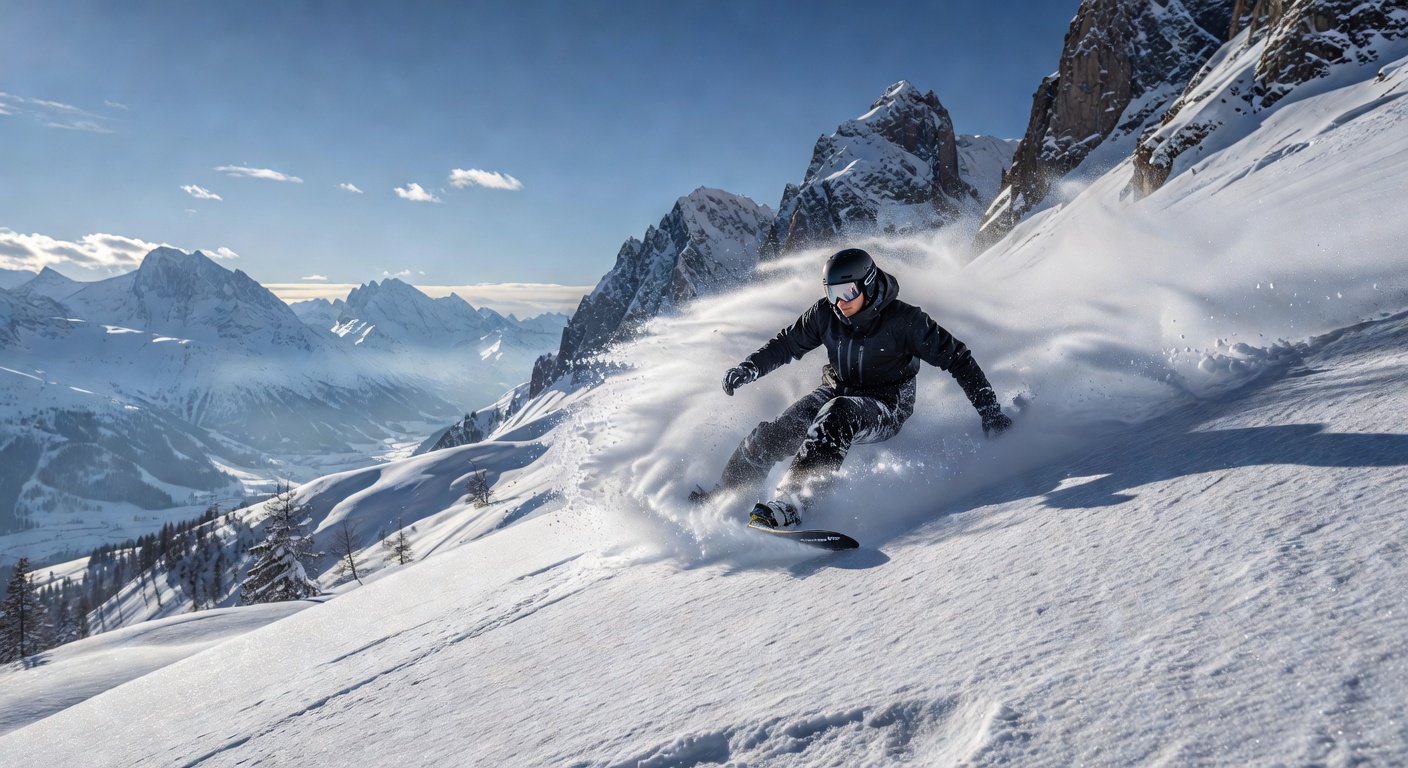
Niseko, on Japan's northern island of Hokkaido, is one of the world's great ski destinations — consistently rated among the top three for snow quality by skiers and snowboarders who have ridden powder on every continent. The town sits in the shadow of the volcanic Niseko Annupuri mountain, which receives an average of 15 metres of snow per season, most of it the light, dry, bottomless powder that skiers spend lifetimes chasing. Alongside Niseko, Hokkaido offers Furano, Rusutsu, and dozens of smaller resorts where the crowds are thinner and the powder just as deep.
Forest Hiking and Pilgrimage Routes
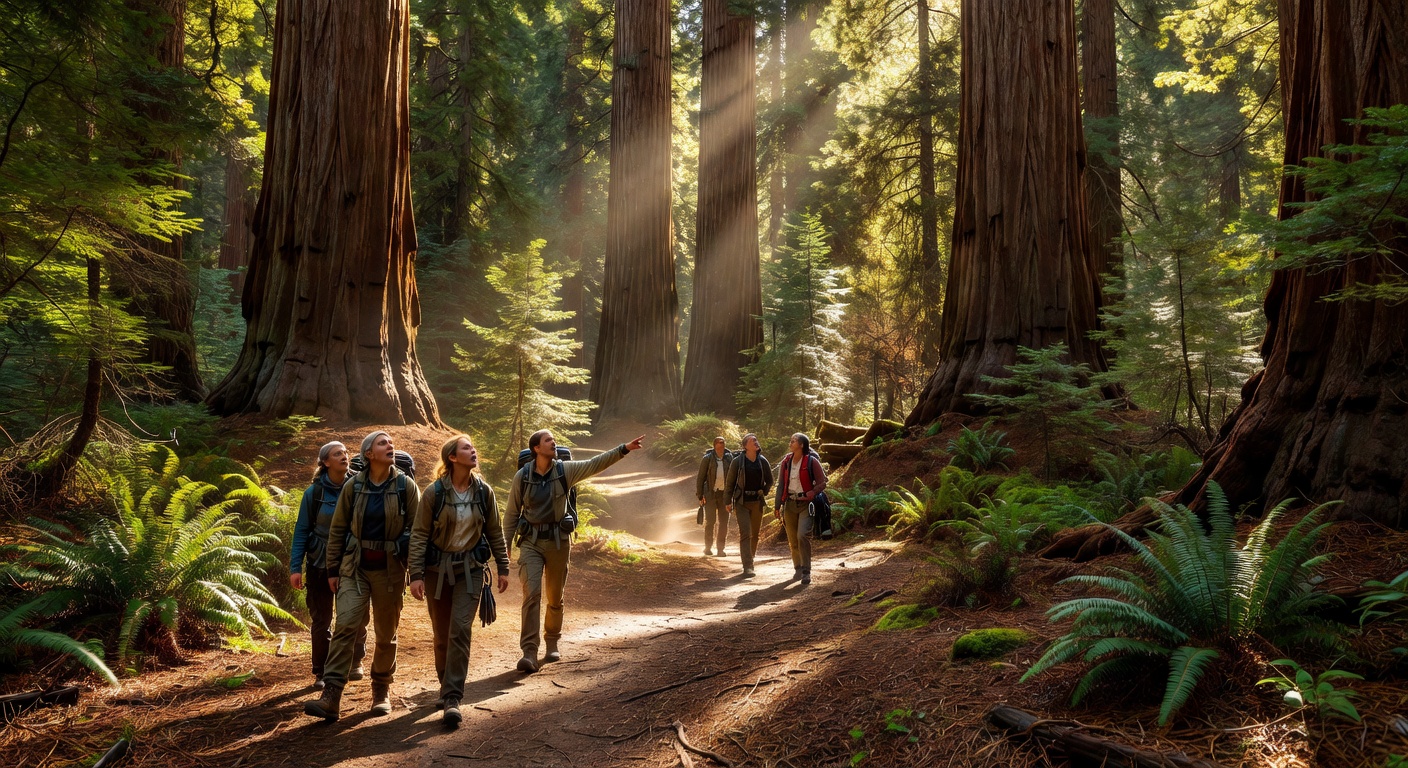
Japan's ancient forests are among the most atmospheric on Earth. The cedar groves of Yakushima Island — some trees estimated at 7,000 years old — inspired the forests in Studio Ghibli's Princess Mononoke and feel genuinely otherworldly. The Kumano Kodo pilgrimage network in the Kii Peninsula has been walked for over 1,000 years and offers multi-day routes through mountain forest, past ancient shrines, and through small villages where traditional inn culture remains remarkably intact. The Nakasendo, connecting Kyoto and Edo (Tokyo) via the Japanese Alps, traverses some of the country's most beautiful highland scenery.
Mt. Fuji Climbing
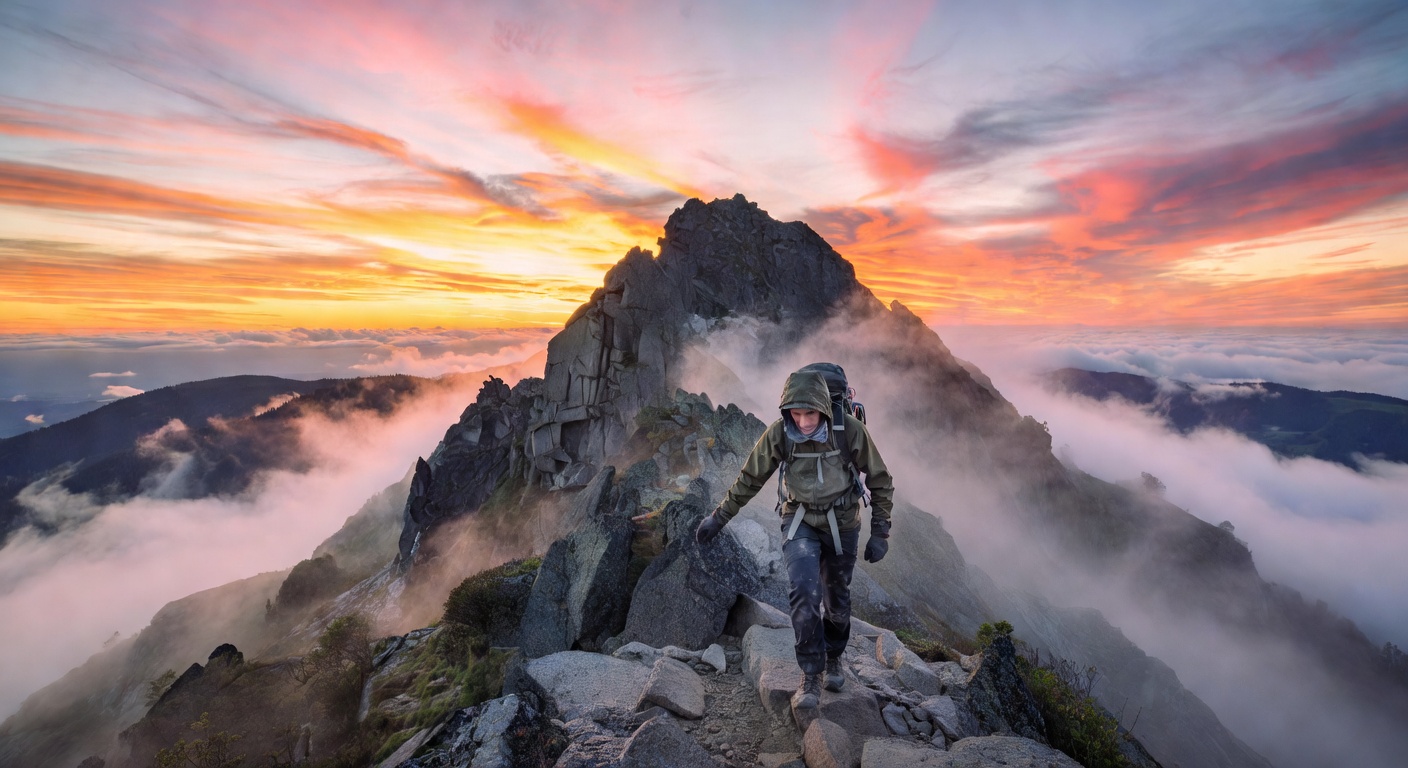
Climbing Japan's iconic 3,776m volcano is a rite of passage for Japanese people and an unforgettable experience for visitors. The official climbing season runs from early July to early September, when the mountain's hut system is open and the summit is free of snow. The most popular Yoshida Trail from the 5th Station takes 5–8 hours to ascend; most climbers start at midnight to reach the summit for sunrise (goraiko) — a transcendent experience of standing above the clouds as dawn breaks over the Pacific. Physical fitness is required: the final sections involve steep volcanic scree that tests even experienced hikers.
Sea Kayaking the Oki Islands
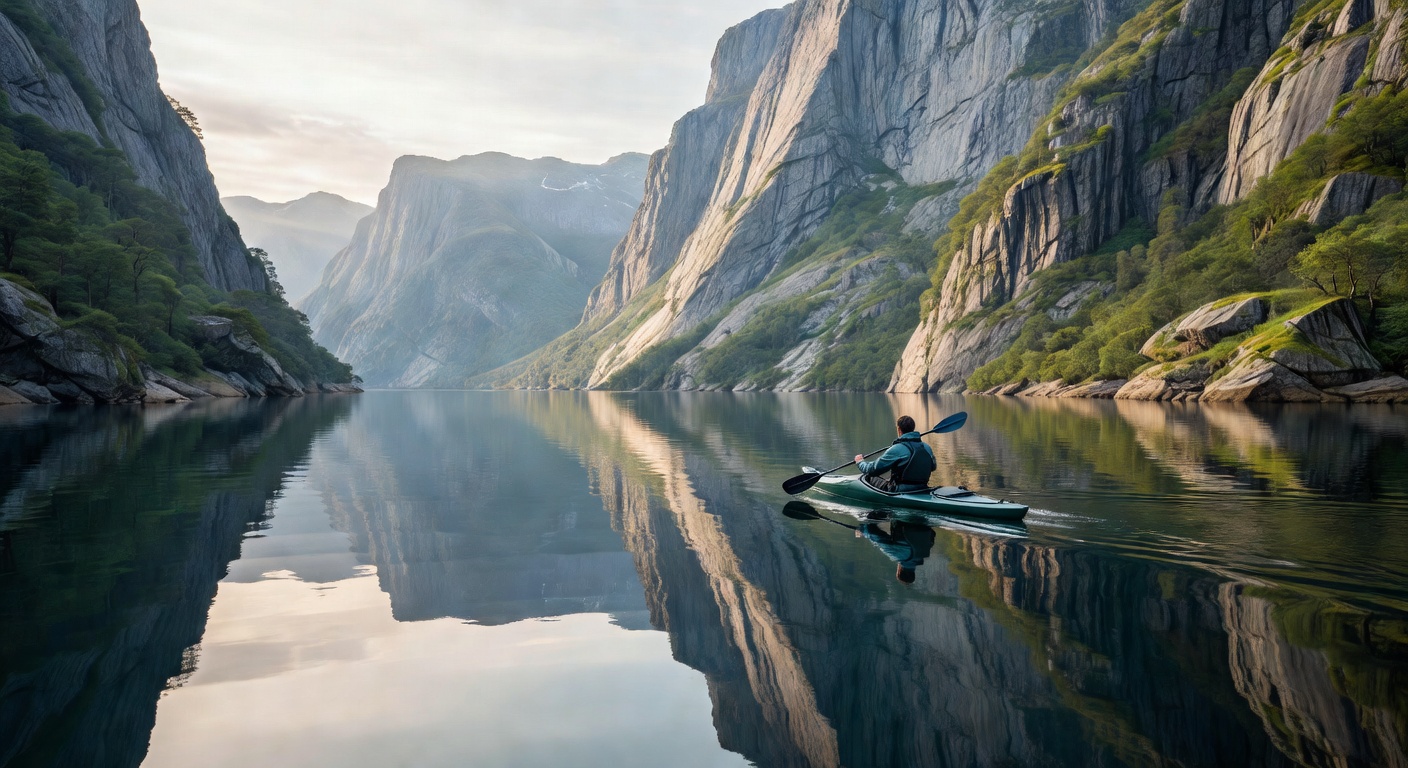
The Oki Islands, a remote archipelago in the Sea of Japan, offer sea kayaking through spectacular coastal scenery of sea caves, rock arches, and dramatic basalt cliffs that rise straight from the water. The islands' remoteness means clear, unpolluted water and extraordinary marine biodiversity. Local operators offer guided kayak tours from single days to multi-day camping expeditions around the islands' perimeter.
Best Time to Visit
Skiing / Powder
Cherry Blossom Hiking
Autumn Colours
Rainy Season
Essential Tips
- Purchase a Japan Rail Pass before arriving — it makes inter-city travel significantly cheaper and easier
- Carry cash: many mountain huts, traditional ryokan, and rural restaurants do not accept cards
- Trail etiquette is important: greet other hikers with "konnichiwa" and yield to uphill hikers
- Onsen (hot spring bathing) is an essential part of the mountain experience — respect the etiquette: wash before entering, no tattoos visible in many facilities
- Book mountain huts well in advance for popular routes and peak seasons
- For Fuji climbing, acclimatise at the 5th Station for 30–60 minutes before ascending
- Japan has strict rules about drones — check regulations before flying in any area