Introduction to Hiking
Hiking is one of humanity's oldest and most accessible forms of adventure. At its core, hiking is simply walking in nature — but in practice, it encompasses everything from gentle woodland strolls to multi-week expeditions across remote mountain ranges that test the limits of human endurance and will. What makes hiking unique among outdoor pursuits is its democratic nature: you need very little gear to get started, there is no technical skill barrier to entry, and the rewards are immediate and profound.
The physical benefits of hiking are well-documented. Regular hikers enjoy improved cardiovascular health, stronger leg and core muscles, better balance and coordination, and reduced risk of chronic diseases including obesity, hypertension, and type 2 diabetes. Studies show that walking in green spaces lowers cortisol levels, reduces symptoms of anxiety and depression, and improves attention span and creativity. The combination of physical exertion and natural environment creates a uniquely restorative experience that no gym can replicate.
But hiking is more than exercise. It is exploration. Every trail offers its own character — the damp smell of a Pacific Northwest forest, the thin air and granite silence of a high Sierra ridge, the vast golden openness of a Scottish moor. Hiking teaches presence, patience, and the art of moving through the world at a pace where you actually notice it. It builds resilience and problem-solving. And it connects you to a community of people who understand, without needing to explain, why spending days on aching feet and sleeping on hard ground is one of life's great pleasures.
This guide covers every aspect of hiking — from choosing your first trail to planning an alpine traverse, from essential gear to reading weather and terrain. Whether you are a complete beginner or an experienced trail runner looking to extend your skills into overnight expeditions, you will find something valuable here. We have drawn on decades of collective experience from our team of adventurers, wilderness guides, and certified first aid professionals to bring you advice you can trust on the mountain.
Beginner Level
Trails under 10km, minimal elevation gain (under 300m), well-marked paths, no technical terrain. Perfect starting point for building fitness and confidence.
Intermediate Level
10–25km day hikes or overnight trips, moderate elevation (300–1000m), some navigation required, varied terrain. Requires reasonable fitness and basic gear.
Advanced Level
Multi-day treks, significant elevation, remote routes, possible route-finding challenges and exposed terrain. Strong fitness, full gear list, and navigation skills required.
Essential Gear
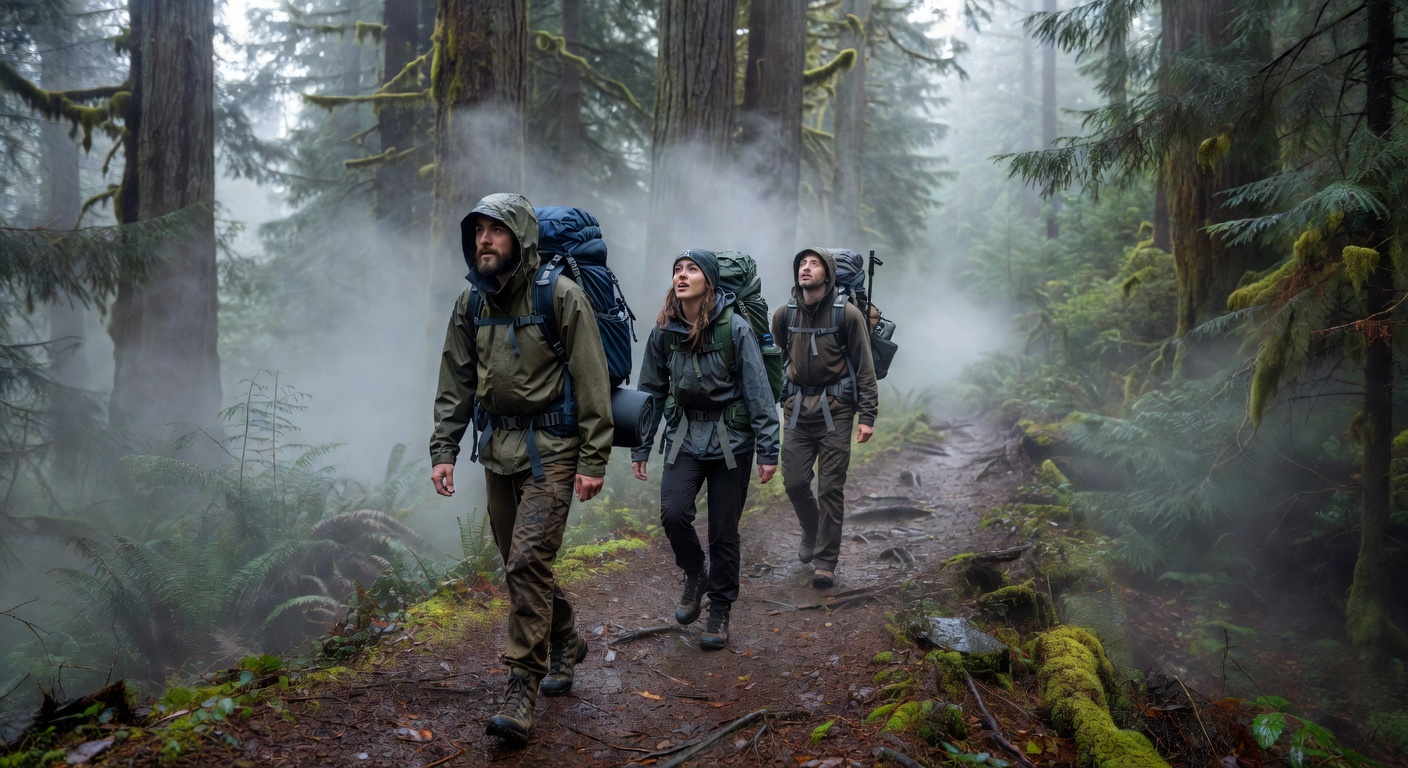
The right gear can mean the difference between a transcendent day in the mountains and a miserable, potentially dangerous ordeal. The good news is that you do not need to spend a fortune — a handful of well-chosen, quality items will serve you far better than a bag full of cheap, unreliable gear. Here we break down the essentials by category, with recommendations for different trip lengths and terrains.
Footwear
Your boots are your most important investment. For day hikes on maintained trails, a low-cut trail runner or lightweight hiking shoe provides ample support and significantly better agility than a heavy boot. For multi-day trips with heavy packs, or technical terrain with loose rock, a mid- or high-cut boot with ankle support is advisable. Look for Vibram soles for grip, waterproof membranes (Gore-Tex or equivalent) for wet conditions, and a toe box wide enough to prevent blisters on long descents. Always break in new footwear before committing to a major trail.
Backpack
Day hikes require a pack of 20–30 litres — enough for water, food, an extra layer, first aid, and your ten essentials. Overnight trips need 45–65 litres, and extended expeditions may require 65–80 litres. Prioritise a good fit over capacity: a pack that rides well on your hips and leaves your shoulders light makes miles feel effortless by comparison. Hip belt pockets are invaluable for snacks, navigation, and sunscreen.
Navigation Tools
A detailed topographic map and a baseplate compass are the foundation of backcountry navigation. Learn how to take a bearing and triangulate your position before heading into remote terrain — your phone battery will eventually die, but a map and compass never will. A GPS device or reliable offline mapping app is an excellent supplement but should not replace traditional navigation skills. Download your maps before you go; mobile data is not a given in wilderness areas.
The Ten Essentials
- Navigation: map, compass, GPS
- Sun protection: sunglasses, sunscreen, sun hat
- Insulation: extra layers, rain jacket, emergency blanket
- Illumination: headlamp with fresh batteries
- First aid kit (see Safety section)
- Fire: lighter, matches, fire starter
- Repair tools: duct tape, knife, multi-tool
- Nutrition: extra day's worth of food
- Hydration: 2+ litres capacity, water filter
- Emergency shelter: bivy sack or emergency tent
Trail Planning Tips
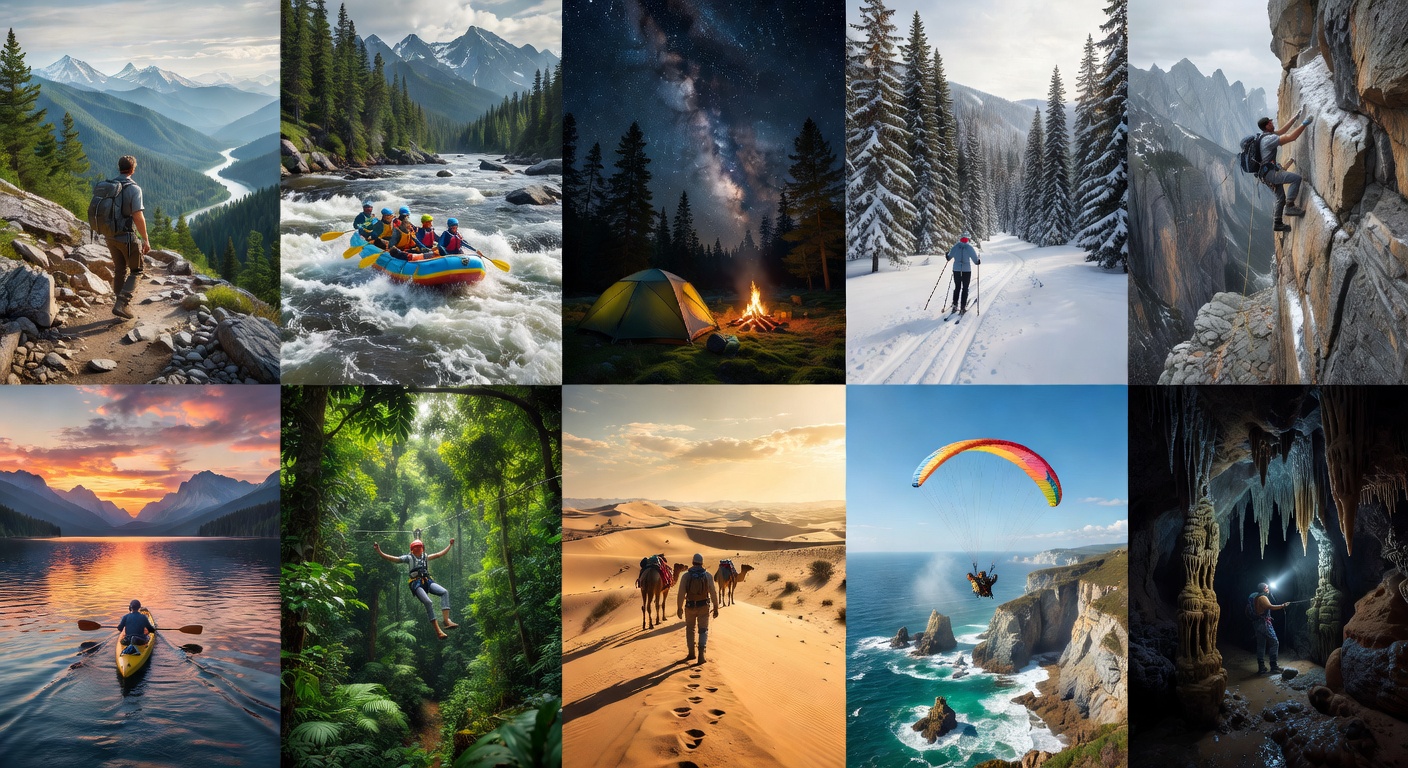
Thorough planning is the foundation of a successful hiking trip. The most common cause of hiking incidents — getting lost, caught in bad weather, or running out of daylight — is inadequate planning. A few hours invested before you leave the trailhead will pay dividends of safety and enjoyment on the trail.
Choosing a Trail
Match the trail to your current fitness level, not your aspirations. First-time hikers should start with trails under 10km with minimal elevation gain, on well-maintained paths with clear signage. As your fitness and skills develop, progressively increase distance, elevation, and technical challenge. Read recent trip reports on platforms like AllTrails or local hiking club websites — they provide current conditions that maps cannot convey, including trail damage, water source status, and wildlife activity.
Understanding Elevation Profiles
An elevation profile tells you far more about a trail's difficulty than distance alone. A 15km hike with 1,500m of elevation gain is significantly harder than a 20km hike on flat terrain. A useful rule of thumb: add 1 hour for every 300m of elevation gain to your estimated time. Also note whether elevation is gained gradually or in sharp bursts — a sustained moderate grade is far easier to manage than a short, brutal switchback section.
Weather and Seasonal Considerations
Mountain weather is notoriously unpredictable. Check forecasts from multiple sources the evening before and morning of your hike. Know what the weather was like the previous week — recent rain can make trails muddy and treacherous, and late snow can linger at altitude long after valley floors have dried. Always carry layers adequate for the worst expected conditions plus a margin of safety: temperatures at altitude drop approximately 6.5°C per 1,000 metres of elevation gain.
Afternoon thunderstorms are common in mountain environments during summer months. Plan to be below treeline or at your destination before early afternoon in areas prone to electrical storms. The Rockies, Alps, and Himalayas are notorious for storms that build rapidly from late morning onward.
Safety & First Aid
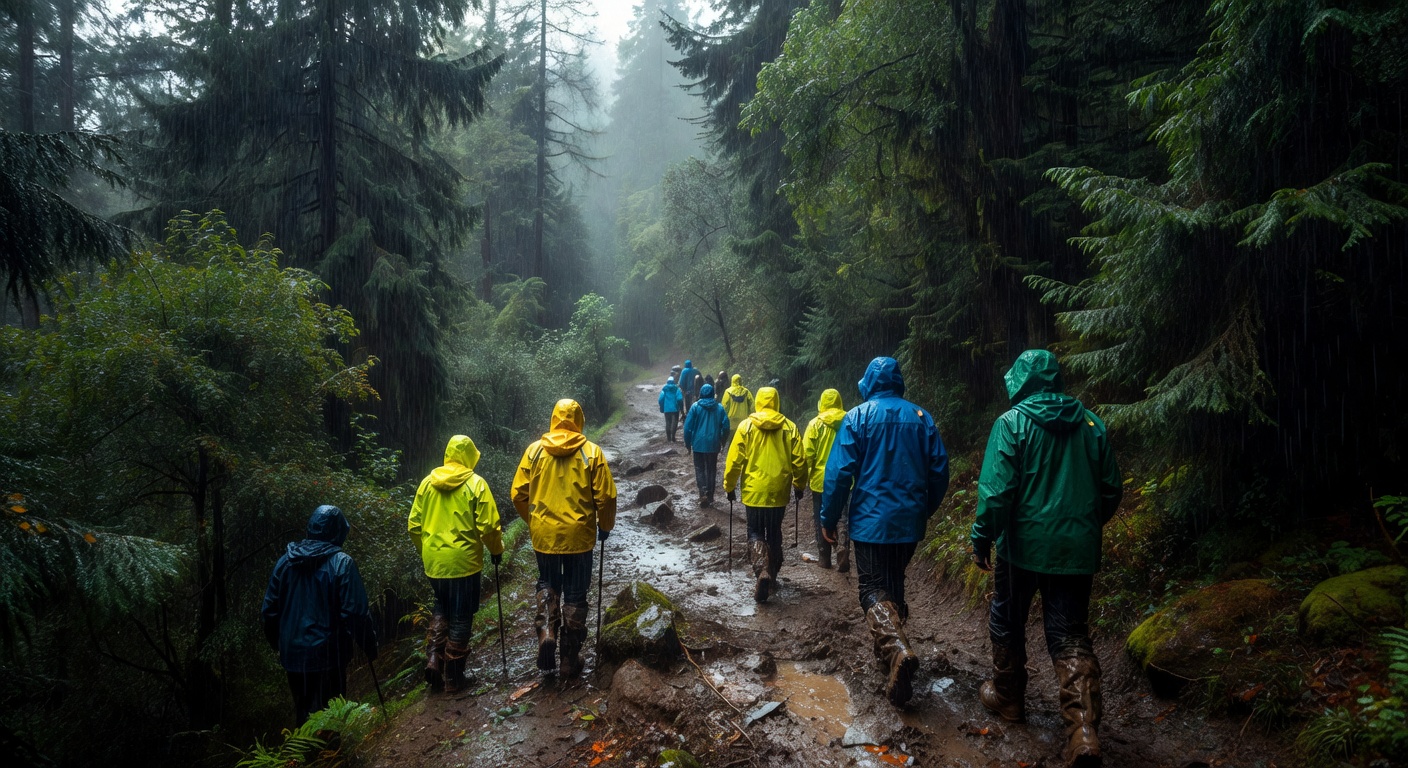
Safety on the trail begins with mindset: respect the environment, know your limits, and always be prepared to turn back. The mountains will always be there. No summit, no photo, and no Instagram story is worth risking your life or the lives of your companions. The following principles and skills form the foundation of hiking safety.
Always Tell Someone
Before any hike beyond a busy maintained trail, leave a detailed trip plan with a trusted person: where you are going, the route, your expected return time, and what to do if you have not made contact by a specific deadline. Register with local ranger stations in backcountry areas where this is possible. This one habit has saved countless lives when hikers have been injured or become lost.
Recognising and Treating Hypothermia
Hypothermia — dangerous lowering of core body temperature — can occur even on mild days if you become wet and exposed to wind. Early signs include shivering, confusion, poor coordination, and slurred speech. Treatment involves removing wet clothing, insulating the casualty with dry layers and a sleeping bag or emergency blanket, administering warm sweet drinks if they are conscious and able to swallow, and seeking evacuation. Prevention is straightforward: never hike in wet cotton, carry a spare insulating layer, and change out of wet clothes at camp.
First Aid Kit Essentials
A hiking first aid kit should include: adhesive bandages in multiple sizes, blister treatment (moleskin or hydrocolloid pads), elastic bandage, wound closure strips, antiseptic wipes and ointment, ibuprofen and acetaminophen, antihistamine for allergic reactions, SAM splint, triangular bandage and sling, nitrile gloves, and an emergency whistle. Knowing how to use these items is as important as carrying them — consider taking a Wilderness First Aid course before undertaking remote hiking.
Leave No Trace
Leave No Trace (LNT) is a set of outdoor ethics designed to preserve wild places for future generations. As hiking has grown in popularity — global participation increased by over 40% during the 2020s — the impact on wild places has become severe. Overcrowded trails, damaged ecosystems, contaminated water sources, and wildlife disturbance are direct consequences of poor visitor behaviour. Practicing LNT principles is not optional: it is the ethical foundation of responsible hiking.
The Seven LNT Principles
Plan ahead and prepare: proper planning prevents poor practices and reduces impact. Travel and camp on durable surfaces: stick to existing trails and campsites to prevent vegetation damage. Dispose of waste properly: pack out all rubbish, and bury human waste in a cathole 15–20cm deep, at least 60m from water, trails, and camps. Leave what you find: do not collect rocks, flowers, or archaeological artefacts. Minimise campfire impacts: use a camp stove instead of fire where possible. Respect wildlife: observe from a distance and never feed animals. Be considerate of other visitors: yield to uphill hikers, keep noise levels appropriate to the environment.
Top Hiking Destinations
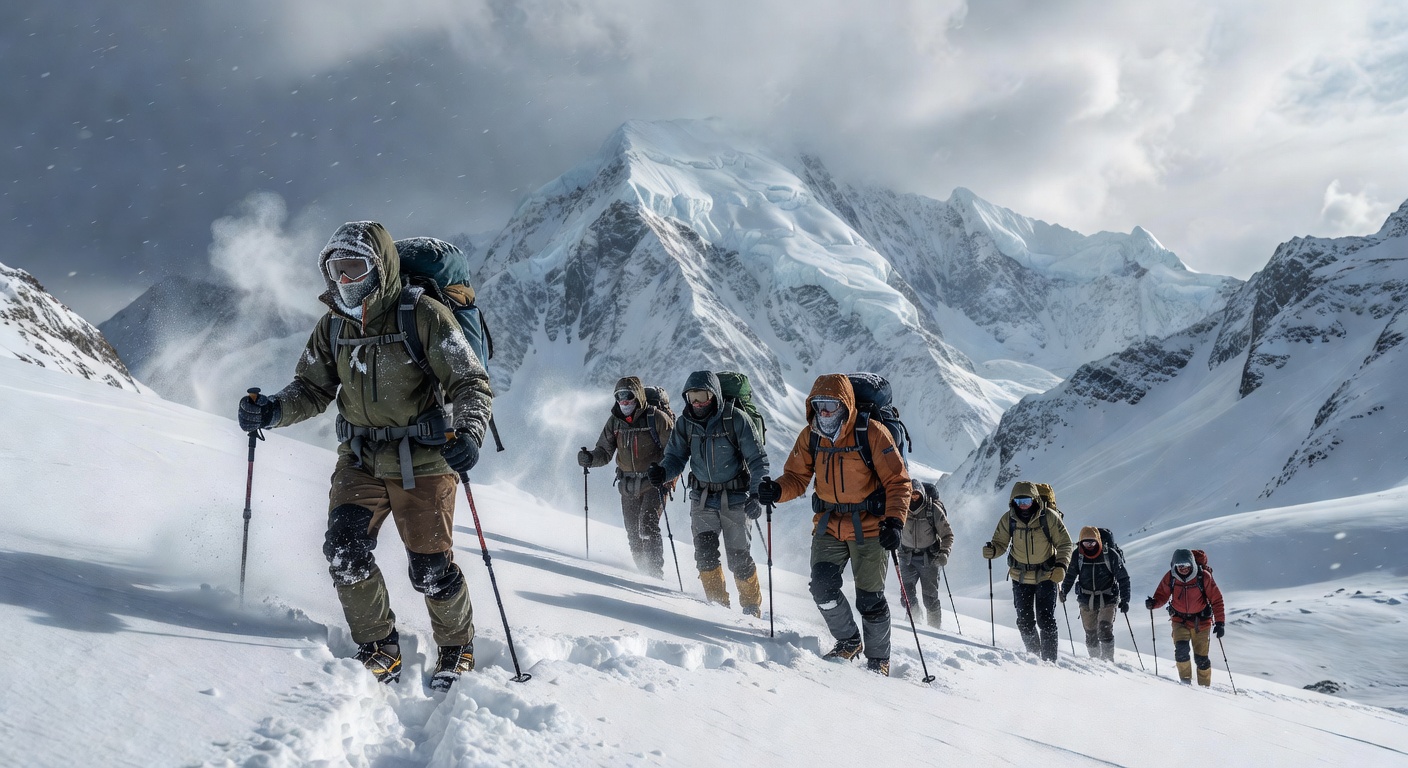
The world's great hiking destinations offer an extraordinary range of landscapes, cultures, and challenges. Here are six that belong on every serious hiker's list.
Everest Base Camp, Nepal
The classic Himalayan trek takes you through Sherpa villages, rhododendron forests, and glaciated valleys to the foot of the world's highest mountain. The 130km round trip from Lukla typically takes 12–14 days and reaches a maximum altitude of 5,364m at Base Camp. Acclimatisation is essential: the trek is designed with built-in rest days at Namche Bazaar and Dingboche. Best season: October–November and April–May.
Torres del Paine W Circuit, Patagonia
The iconic granite towers of Patagonia provide a dramatic backdrop for one of the Southern Hemisphere's greatest treks. The W Circuit covers approximately 80km over 5 days, passing glaciers, turquoise lakes, and dramatic river valleys. Wind is the defining feature of Patagonian hiking — it can reach 120km/h and appears with little warning. Book huts and campsites months in advance; this trek is enormously popular.
Tour du Mont Blanc, Alps
Circumnavigating Western Europe's highest peak across three countries, the TMB covers 170km over 11 days and passes through some of the Alps' most spectacular landscapes. The combination of high-altitude passes, glacier views, and welcoming mountain refuges makes this one of the world's most satisfying long-distance treks. Best season: July–September.