Why Footwear Makes or Breaks Your Adventure
Blisters will ruin a trek. Wet feet make everything miserable. Slipping on a descent is dangerous. The right footwear prevents all three. Yet footwear is often the decision that adventurers spend the least time on — walking into a shop, grabbing something that looks right, and hoping for the best. Our guide cuts through the confusion with the honest information you need to make a smart choice.
The adventure footwear market in 2026 has expanded dramatically. The old binary of "heavy leather boots or light trainers" has been replaced by a sophisticated spectrum of shoe types, each optimised for specific conditions and uses. Understanding this spectrum is the key to making the right choice for your adventure.
Types of Adventure Footwear
Hiking Boots
Mid- or high-cut, stiff midsole, ankle support. Best for loaded multi-day carries, technical terrain, and cold/wet conditions.
Trail Runners
Low-cut, flexible, lightweight. Best for fast day hikes, trail running, and warm dry conditions where agility matters more than support.
Approach Shoes
Sticky rubber soles, climbing shoe-inspired. Best for scrambling, via ferrata, and the approach to technical climbing routes.
Water Shoes
Drain quickly, dry fast, grip wet surfaces. Best for river crossing, canyoning, and mixed land/water adventures.
Winter Boots
Insulated, waterproof, compatible with crampons. Best for snow travel, glacier hiking, and cold alpine conditions.
Sandals
Maximum breathability, minimal weight. Best for camp shoes, easy trails in hot conditions, and river crossings with a secure grip.
Top Picks Comparison 2026

| Shoe | Type | Weight (pair) | Waterproof | Price |
|---|---|---|---|---|
| La Sportiva TX5 GTXEditor's Choice | Approach/Boot | 820g | Gore-Tex | $230 |
| Salomon X Ultra 4 GTX | Hiking Boot (Low) | 730g | Gore-Tex | $175 |
| Hoka Speedgoat 6 | Trail Runner | 590g | Optional | $155 |
| Scarpa Ribelle Run | Trail Runner | 530g | No | $175 |
| Zamberlan 1996 Vioz | Alpine Boot | 1.2kg | Gore-Tex Pro | $320 |
Hiking Boots in Depth
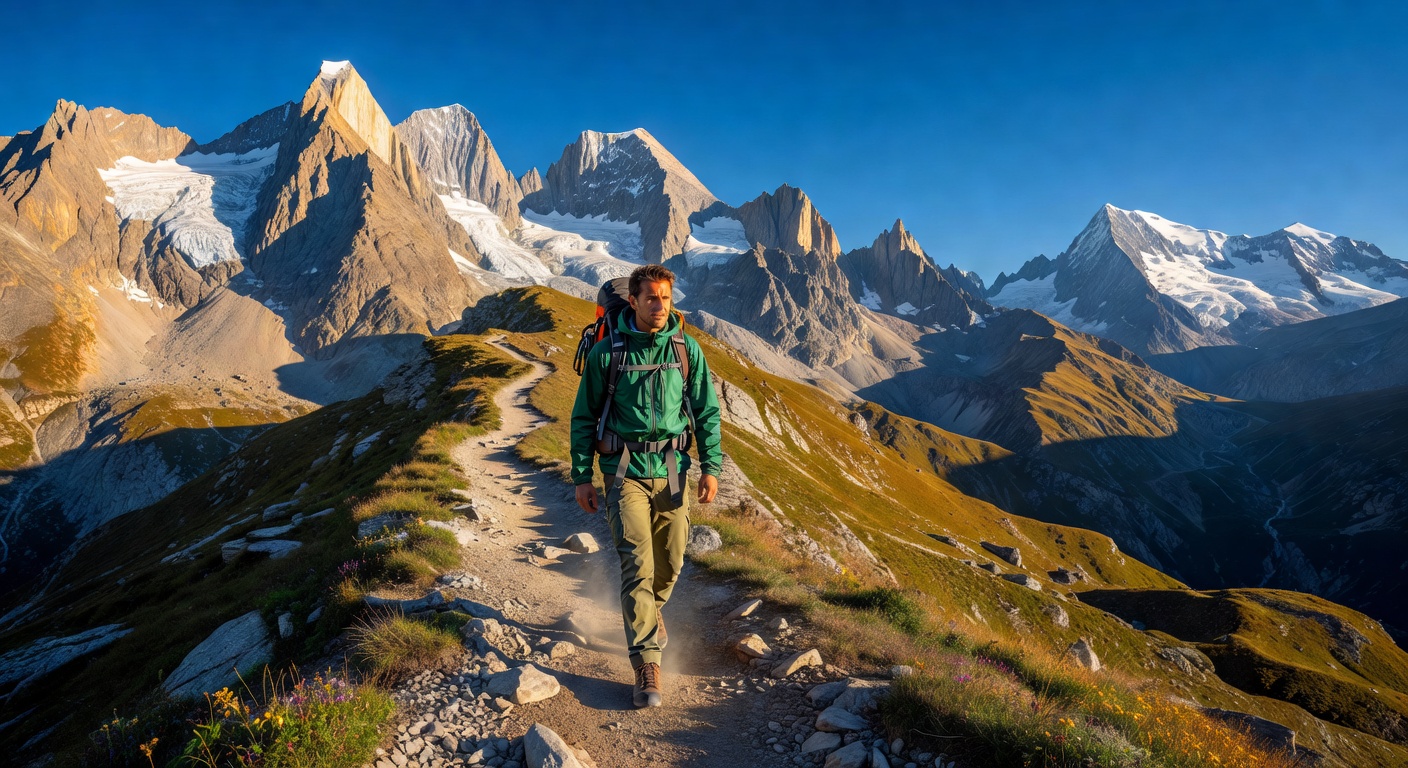
The hiking boot remains the workhorse of adventure footwear for good reason. For multi-day trips with heavy packs, technical terrain, or cold and wet conditions, a properly fitted mid- or high-cut boot provides the ankle support, waterproofing, and sole stiffness that other shoe types cannot match. The key specifications to evaluate are: upper material (full-grain leather offers the best durability and water resistance; modern synthetics save weight and dry faster), midsole material (polyurethane is more durable than EVA but heavier), outsole (Vibram is the industry standard, with specific compounds for different terrain types), and waterproofing (Gore-Tex Extended Comfort Footwear is the industry benchmark, though non-waterproof boots breathe better in dry conditions).
Trail Runners: The Case for Going Light

Trail running shoes have taken over from hiking boots for a large segment of day hikers and even some multi-day trekkers. The argument for going light is compelling: lighter shoes reduce perceived exertion significantly over a long day — studies suggest that 1kg saved from the feet reduces effort equivalent to 5kg from the pack. Modern trail runners provide excellent grip on most surfaces, drain quickly through rocky water crossings, and dry faster than boots. The trade-offs are reduced ankle support, less protection from sharp rocks underfoot, and generally poorer performance in prolonged wet conditions without a waterproof membrane.
Fit Guide and Sizing Tips
The cardinal rule of footwear fitting: always try on hiking footwear in the afternoon or evening, after your feet have swollen from daily activity. Your feet will reach their maximum size after several hours of standing or walking — a shoe that fits perfectly on a morning visit to the shop may be uncomfortably tight after six hours on the trail. Allow at least half a thumb's width between your longest toe and the shoe's toe box. Heels should be firmly held with minimal slippage. The toe box should allow your toes to splay naturally under load. Always try footwear with the socks you will actually use on the trail — thin dress socks give a very different fit to thick merino hiking socks.
Break in new boots before committing to a major trip. Start with short walks of 2–3km, progressively building to longer distances and eventually carrying a weighted pack. Most quality leather boots require 80–120km of breaking in before they conform to the shape of your foot. Modern synthetic boots and trail runners require less break-in but still benefit from a gradual introduction.