Types of Kayaking
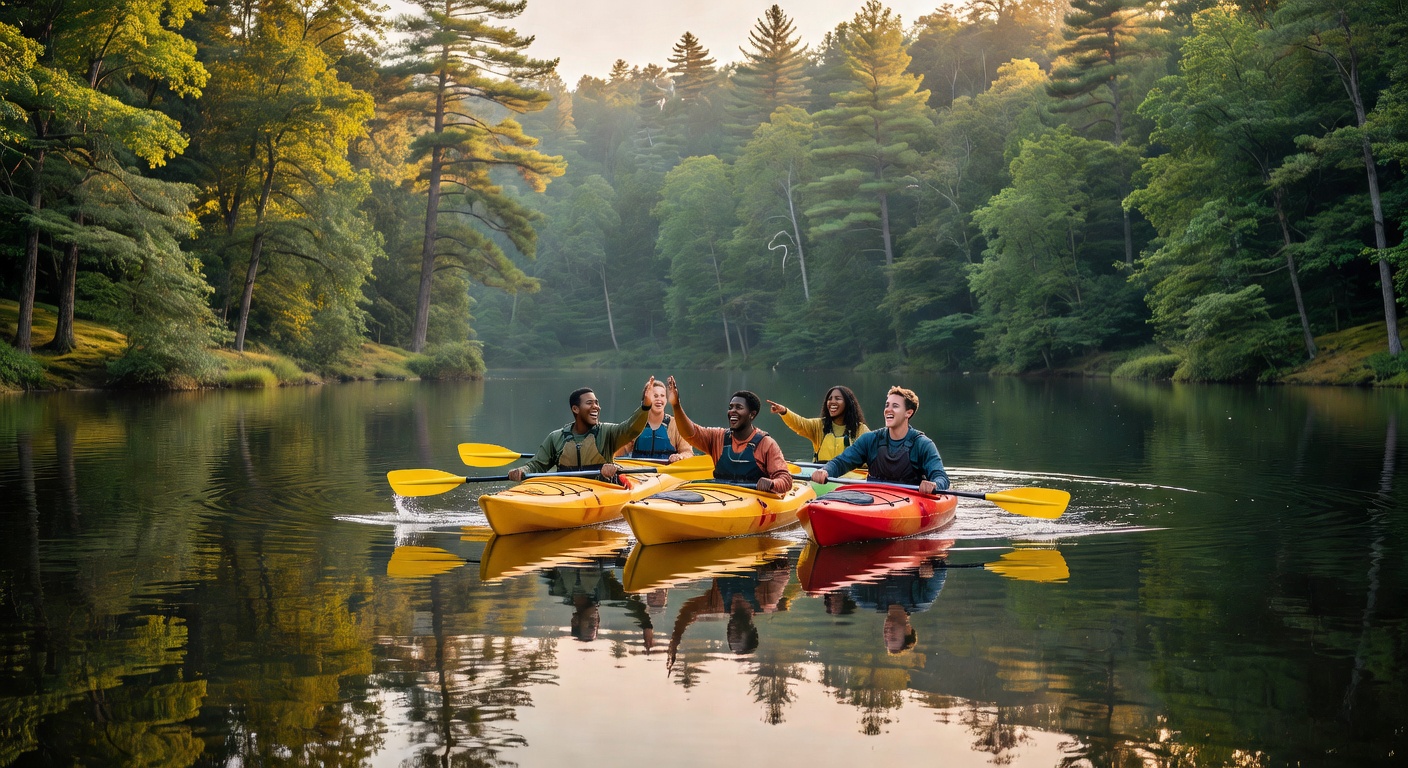
Kayaking encompasses a broad range of water-based adventures, from leisurely paddles on glassy lakes to harrowing descents of Class V whitewater. Understanding the different disciplines helps you choose the right kayak, gear, and skills progression for your goals.
Recreational Kayaking
Recreational kayaking is the ideal entry point for most beginners. Recreational kayaks are wider and more stable than performance designs, making them forgiving and easy to manage on calm flatwater — lakes, slow rivers, and protected coastal bays. They are typically sit-inside or sit-on-top designs, range from 9 to 12 feet in length, and prioritise stability and comfort over speed or performance. This is the discipline for leisurely exploration, wildlife watching, and family paddling adventures. You can rent recreational kayaks at most parks and resort areas, making it accessible without significant equipment investment.
Sea Kayaking
Sea kayaking involves navigating coastal waters, open ocean, and fjords in long, narrow kayaks designed for efficiency and tracking in open water. Sea kayaks are typically 16–18 feet long, fitted with storage hatches for multi-day expedition gear, and equipped with skegs or rudders for directional control in wind and swell. The skill set extends beyond simple paddling to include reading tides and currents, weather forecasting, navigation, rescue techniques, and rough water paddling. Sea kayaking opens up some of the world's most spectacular coastlines — from the Norwegian fjords to the Inside Passage of British Columbia — for self-supported multi-week expeditions.
Whitewater Kayaking
Whitewater kayaking pits paddler against river currents, rapids, drops, and hydraulic features. Whitewater kayaks are short (6–9 feet), highly rockered (curved), and designed for manoeuvrability in chaotic water. The sport is rated on a Class I–VI scale of difficulty, with Class I being gentle moving water and Class VI representing unrunnable, life-threatening features. Learning whitewater kayaking requires formal instruction — ideally from a certified kayak coach — and a methodical progression through increasingly demanding rivers. Rolling (self-rescue after a capsize) is a fundamental skill that must be reliable before attempting anything beyond Class III.
Choosing Your Kayak
The right kayak depends entirely on the type of kayaking you plan to do, where you will be paddling, how you will transport and store the kayak, and your budget. There is no single "best" kayak — only the best kayak for your specific situation.
| Type | Length | Best For | Stability | Speed |
|---|---|---|---|---|
| Recreational | 9–12 ft | Lakes, calm rivers | Very High | Low |
| Touring/Sea | 14–18 ft | Coastal, expeditions | Medium | High |
| Whitewater | 6–9 ft | Rivers, rapids | Medium | Low |
| Sit-on-Top | 10–14 ft | Warm water, beginners | Very High | Medium |
| Inflatable | 10–14 ft | Travel, storage | High | Low |
Hull Design Considerations
Flat-bottomed hulls offer excellent initial stability — great for beginners but sluggish in performance. Rounded hulls sacrifice initial stability for efficiency and secondary stability, making them better for experienced paddlers in dynamic conditions. V-shaped hulls track excellently but require more skill to control. Rocker (the curve from bow to stern) determines manoeuvrability: more rocker means easier turning but less straight-line tracking.
Paddling Techniques
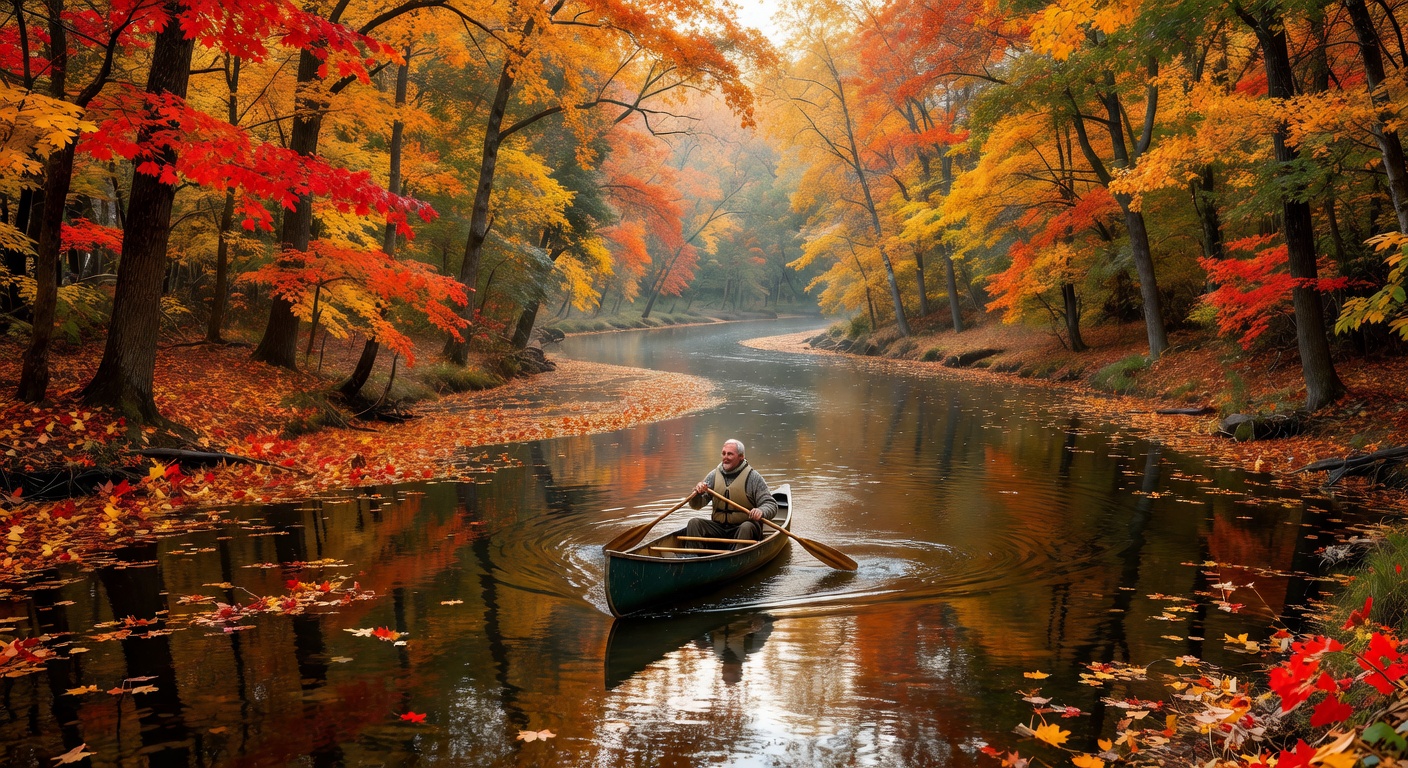
Good paddling technique makes kayaking more efficient, more powerful, and less fatiguing. Many beginners develop bad habits that limit their performance and increase the risk of injury — particularly shoulder and wrist injuries that are common in paddlers who rely on arm strength rather than torso rotation.
The Forward Stroke
The forward stroke is the foundation of all kayaking. Insert the blade fully into the water beside your foot, engage your core and rotate your torso as you pull the blade back along the hull. Exit the blade before it passes your hip — continuing past this point wastes energy and creates sideways force. Think of your arms as extensions of your torso, not as the primary power generators. Your upper body rotation should drive 70% of the stroke's power.
The Sweep Stroke
The sweep stroke turns the kayak. For a forward sweep, reach forward and arc the blade in a wide semicircle from bow to stern, keeping it near the water surface throughout. Reverse sweeps (stern to bow) turn the boat the other way and can be used to back-paddle. Combining forward and reverse sweeps on alternate sides allows precise directional control without the kayak losing momentum.
Bracing
The low brace and high brace use the paddle as a fulcrum against the water to prevent capsize and recover balance. The low brace uses the back face of the blade against the water with elbows raised; the high brace uses the power face with arms extended. Bracing is a reactive skill that must become instinctive — practice deliberately in calm, shallow water before relying on it in challenging conditions.
Safety on Water
Water carries risks that land-based activities do not. Cold water immersion, strong currents, and remoteness demand rigorous safety awareness and preparation. The following principles are non-negotiable.
Always Wear a PFD
A properly fitted personal flotation device (PFD or life jacket) must be worn at all times on the water. Modern kayaking PFDs are low-profile, comfortable, and allow full freedom of movement — there is no reason not to wear one. A PFD can only save your life if it is on your body, not stowed in your kayak. Choose a kayak-specific PFD rated to your weight and ensure it is fastened securely before launch.
Cold Water Dress Code
Dress for the water temperature, not the air temperature. Cold water immersion — even briefly — causes a gasp reflex, hyperventilation, cold incapacitation, and ultimately hypothermia. In water below 15°C, wear a wetsuit or drysuit. A wetsuit slows heat loss through insulation; a drysuit keeps you completely dry and provides superior protection in cold conditions. This is not optional in cold climates.
Trip Planning and Communication
File a float plan with a trusted person before every significant paddle: launch point, route, planned landing, and expected return time. Carry a marine VHF radio for coastal and offshore kayaking. Know the tidal patterns and weather forecast. Never paddle in conditions beyond your skills, and always have a clear emergency exit strategy from any point on your route.
Best Kayaking Spots
The world's greatest kayaking destinations offer landscapes that can only be truly appreciated from water level. The Norwegian fjords provide some of the most dramatic scenery on Earth — towering granite walls, hanging glaciers, and waterfalls plunging hundreds of metres into calm, deep water. The Sea of Cortez in Mexico offers warm, clear water and extraordinary marine biodiversity including whale sharks and manta rays. Milford Sound in New Zealand combines sheer mountain walls with serene fjord water and abundant wildlife. The Boundary Waters of Minnesota and Ontario provide thousands of kilometres of interconnected wilderness waterways. And the coastline of British Columbia's Inside Passage offers multi-week sea kayaking through some of the world's most pristine and wild coastal wilderness.
Planning Your Trip
A well-planned kayaking trip maximises enjoyment and minimises risk. Research your chosen waterway thoroughly: understand the tidal patterns, prevailing weather, access points, and camping options. For overnight and multi-day trips, develop a realistic daily mileage plan that accounts for headwinds, current, and the reduced efficiency of paddling with a loaded kayak. Book campsites or permits well in advance in popular areas. Pack a repair kit including marine-grade patches, pump, and spare paddle. Dry bags and waterproof cases protect food, electronics, and sleeping gear from splashes and submersion. Learn how to pack a sea kayak efficiently — low and centred weight improves stability and tracking significantly.