The Decision to Go
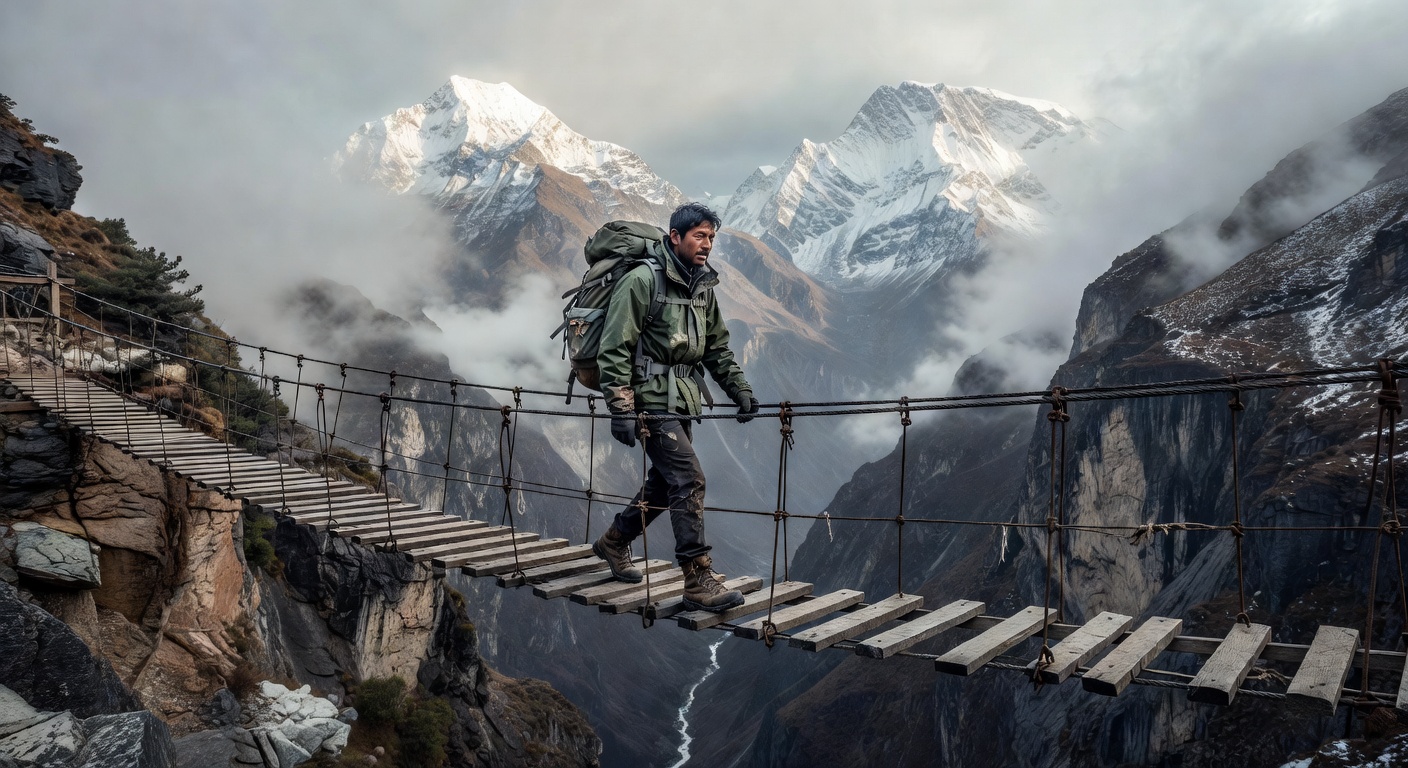
There are decisions that change your life, and then there are decisions that redefine what life means. My choice to spend 60 days trekking through Nepal — culminating at Everest Base Camp — was unequivocally the latter. Standing at 5,364 metres above sea level, surrounded by the most dramatic landscape on Earth, I understood in my bones why humans have always been drawn to mountains.
The idea first came to me on a grey Tuesday in February 2025, staring out of an office window in London. I had been a finance analyst for seven years, and despite a comfortable life, I felt a persistent hollowness. I wanted to feel small again — not diminished, but small in the way that vast wilderness makes you small: humble, awed, and vibrantly alive.
Planning took four months. I resigned, took a leave from my mortgage, arranged vaccinations, sourced gear, and booked flights. Friends thought I was having a breakdown. I suspect they were partly right — but the breakdown was breaking something open rather than breaking it apart.
Kathmandu: The Gateway
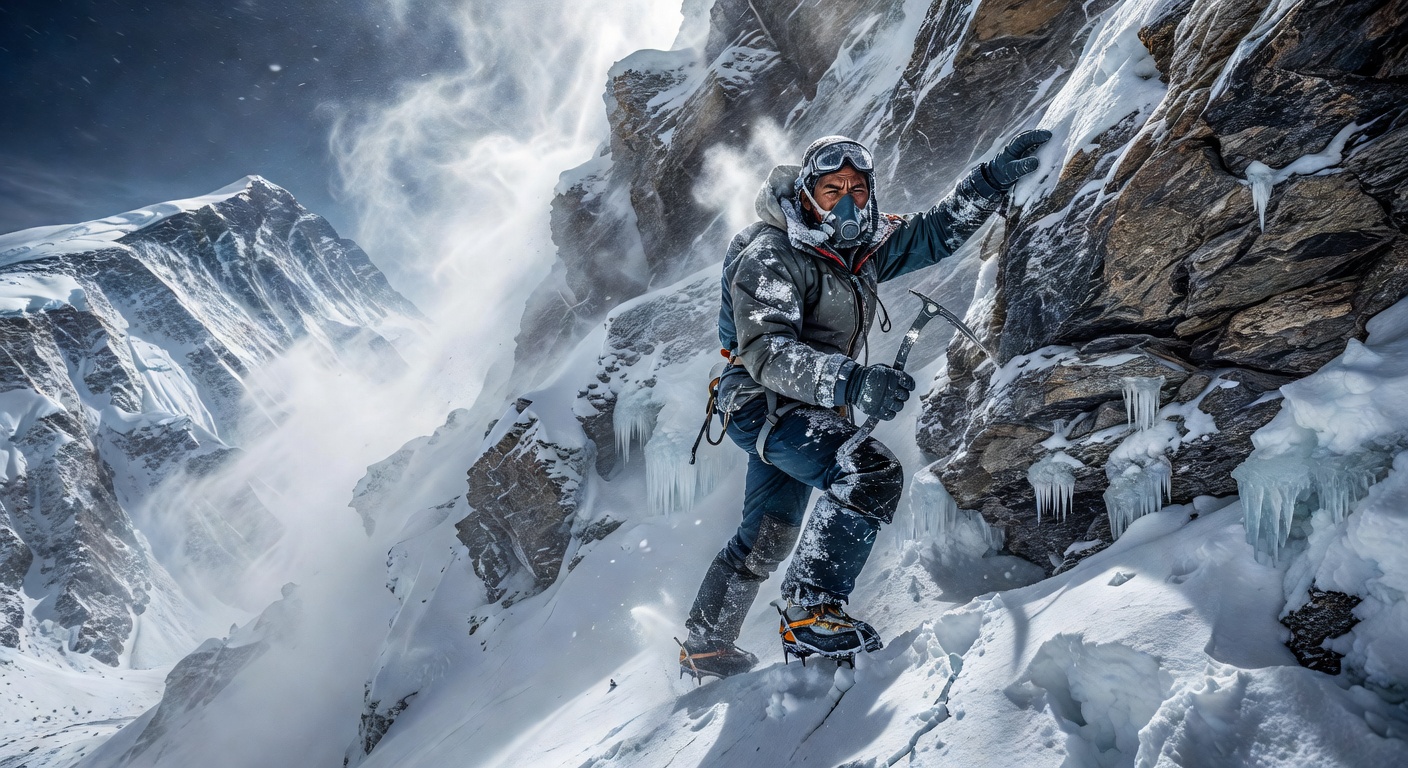
Kathmandu arrives as an assault on the senses — incense, diesel, marigolds, motorbikes, and the distant chime of temple bells all woven into a single overwhelming fabric. The city is ancient and chaotic, spiritual and pragmatic, crumbling and resilient all at once. I spent five days here, acclimatising mentally more than physically.
Thamel — the tourist hub — is simultaneously wonderful and absurd. You can buy a North Face jacket of questionable authenticity and a genuine piece of Tibetan turquoise within ten metres of each other. I bought hiking poles, high-altitude electrolytes, a detailed topographical map, and a small Ganesh figurine for good luck.
My guide Bishnu Tamang met me on my second morning. He was 34, quietly confident, and had summited Everest twice. Over masala chai, he outlined our itinerary with the calm authority of someone for whom these mountains are simply home. "The mountain decides," he said. "We just walk."
The Khumbu: First Steps
The flight from Kathmandu to Lukla is legendarily terrifying. Tenzing-Hillary Airport — named after the first two men to summit Everest — has a 527-metre runway that ends at a cliff. The landing is essentially controlled collision with a hillside. I white-knuckled it, stepped off, breathed the thin mountain air for the first time, and laughed out loud.
From Lukla at 2,860 metres, we began walking. The Khumbu trail is not a wilderness path — it is a living trade route, ancient and bustling. Yak caravans force you to the uphill side of narrow stone paths. Tea houses appear every few hours, offering dal bhat, apple pie, and hot lemon. Sherpa children race past in school uniforms while expedition teams lumber forward under enormous loads.
The landscape escalates dramatically. Within two days, you're walking through rhododendron forests that bloom scarlet in spring. By Namche Bazaar — the Sherpa capital at 3,440 metres — your first Himalayan panoramas appear: Ama Dablam, Thamserku, Kongde. The effect is staggering. No photograph prepares you for the actual scale.
"The mountain does not care about your schedule, your fitness level, or your ambitions. It simply is. Learning to move at its rhythm — slowly, humbly, attentively — is the real lesson of high-altitude trekking."
— Marcus Thompson, on the Namche Bazaar plateau
High Altitude: Learning to Breathe
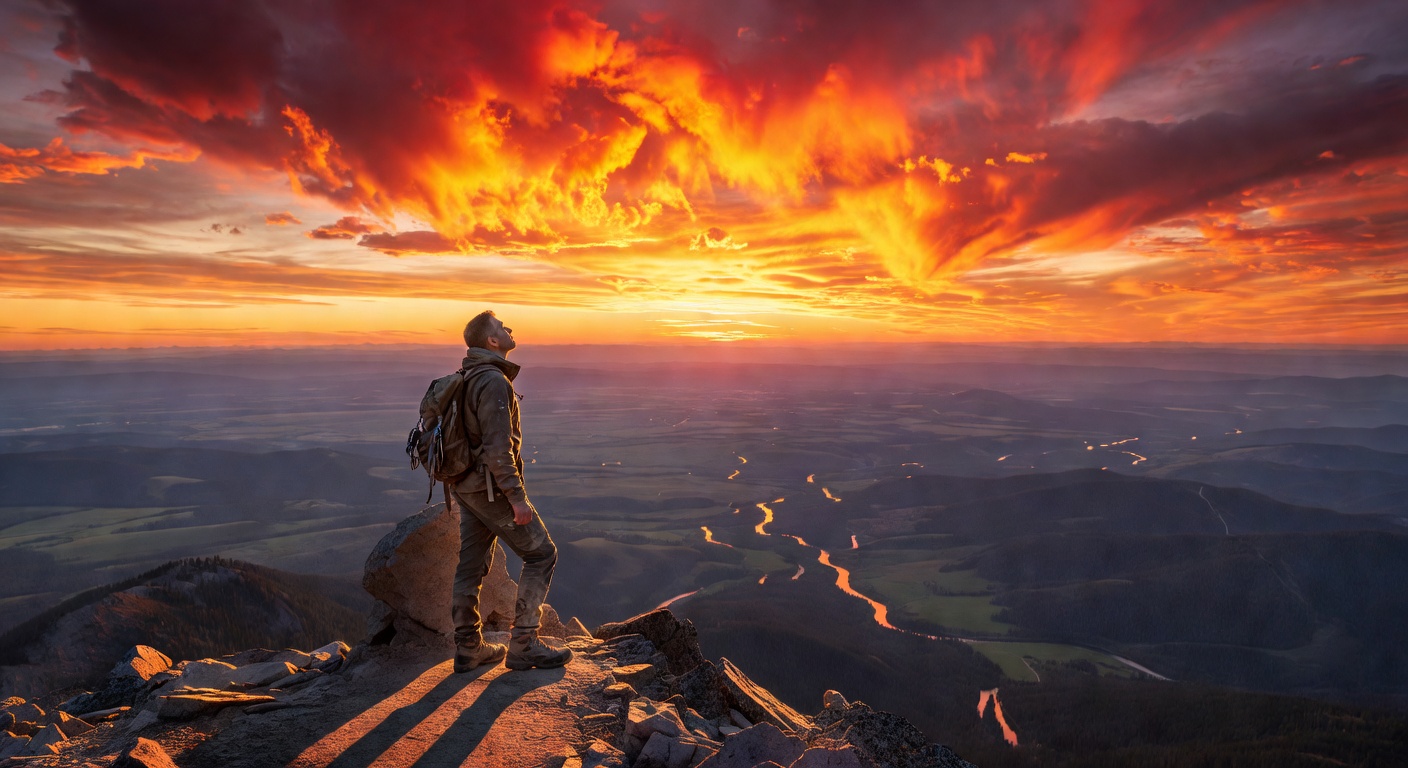
Altitude sickness is not a myth, not something that only happens to unfit people, and not something you can willpower your way through. At Namche, I spent an acclimatisation day with a pounding headache, watching the clouds build and dissolve over Everest's distant peak. Bishnu brought me ginger tea and told me stories about climbers who pushed on and had to be evacuated by helicopter. I slept for eleven hours.
The standard rule — "climb high, sleep low" — sounds simple until you're doing it. We hiked up to Everest View Hotel at 3,962 metres for lunch, then descended back to sleep. Every morning, your body has adjusted fractionally to the thinner air. Every evening, you feel slightly less like someone is sitting on your chest.
By Dingboche at 4,410 metres, I had found my altitude rhythm. Breathing became a conscious act — deep, deliberate, metronomic. I walked slower than I had walked anywhere in my adult life, and yet I felt intensely present. No podcast, no phone, just the crunch of stone under boot and the wind across glacial moraine.
The Route to Base Camp
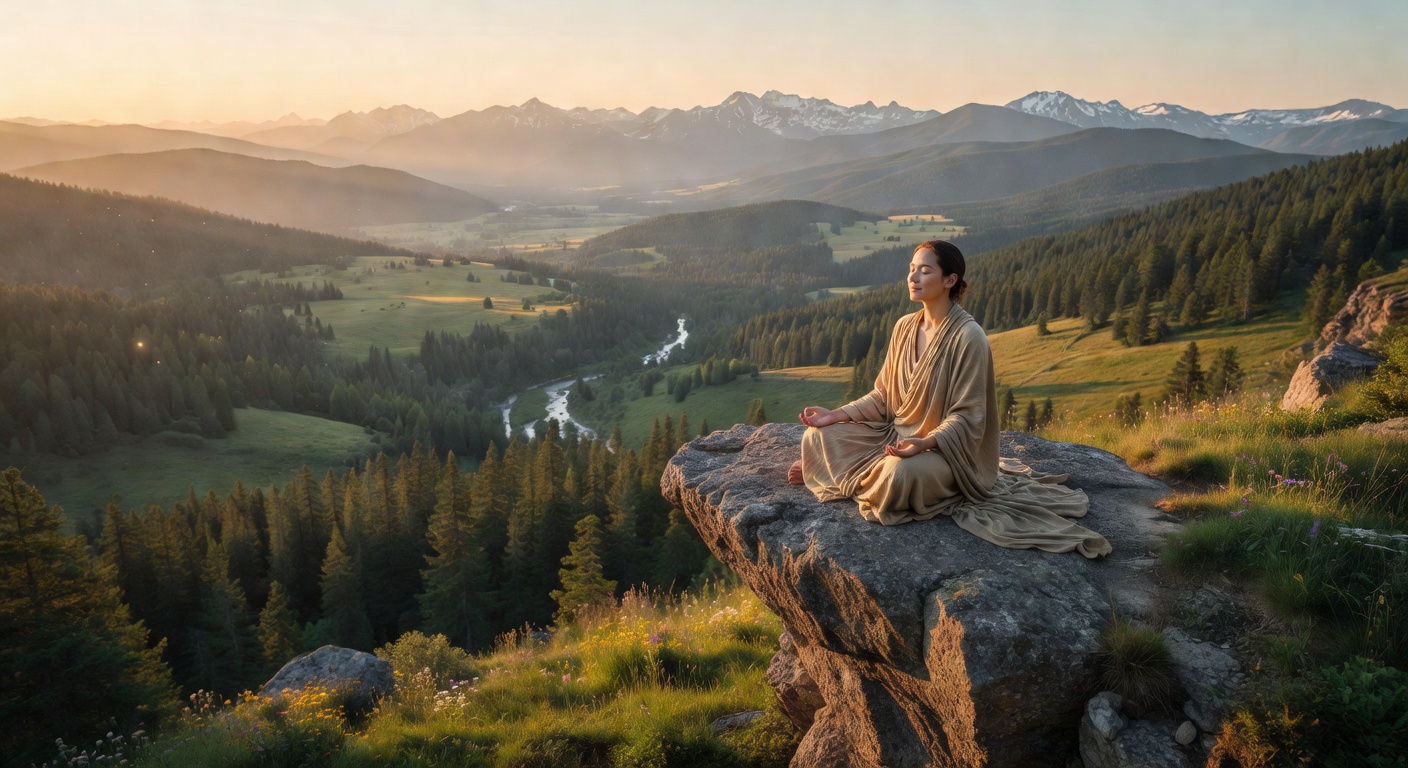
Beyond Dingboche, the landscape sheds all pretence of gentleness. The trail to Lobuche runs through the Khumbu Glacier's lateral moraine — a surreal wasteland of grey rock, ice towers, and memorial chortens built for climbers who never returned. The silence here is complete and solemn. You walk among names carved in stone: Slovenians, Japanese, Italians, Nepalis — all drawn to the same summit, some never coming back down.
Lobuche at 4,940 metres was genuinely difficult. Sleep became elusive; I would wake at 2am, heart racing, my body interpreting the oxygen deficit as an emergency. Bishnu prescribed: water, slow breathing, ibuprofen. I wrote in my journal by headlamp, describing the stars through my tea house window — a density of stars I had never seen anywhere else on Earth.
The final push to Base Camp begins at Gorak Shep, at 5,164 metres. From here, the trail crosses the Khumbu Glacier itself — a shifting, creaking mass of ice hidden under rock debris. Every step is deliberate. Every step is a choice.
Base Camp and Beyond
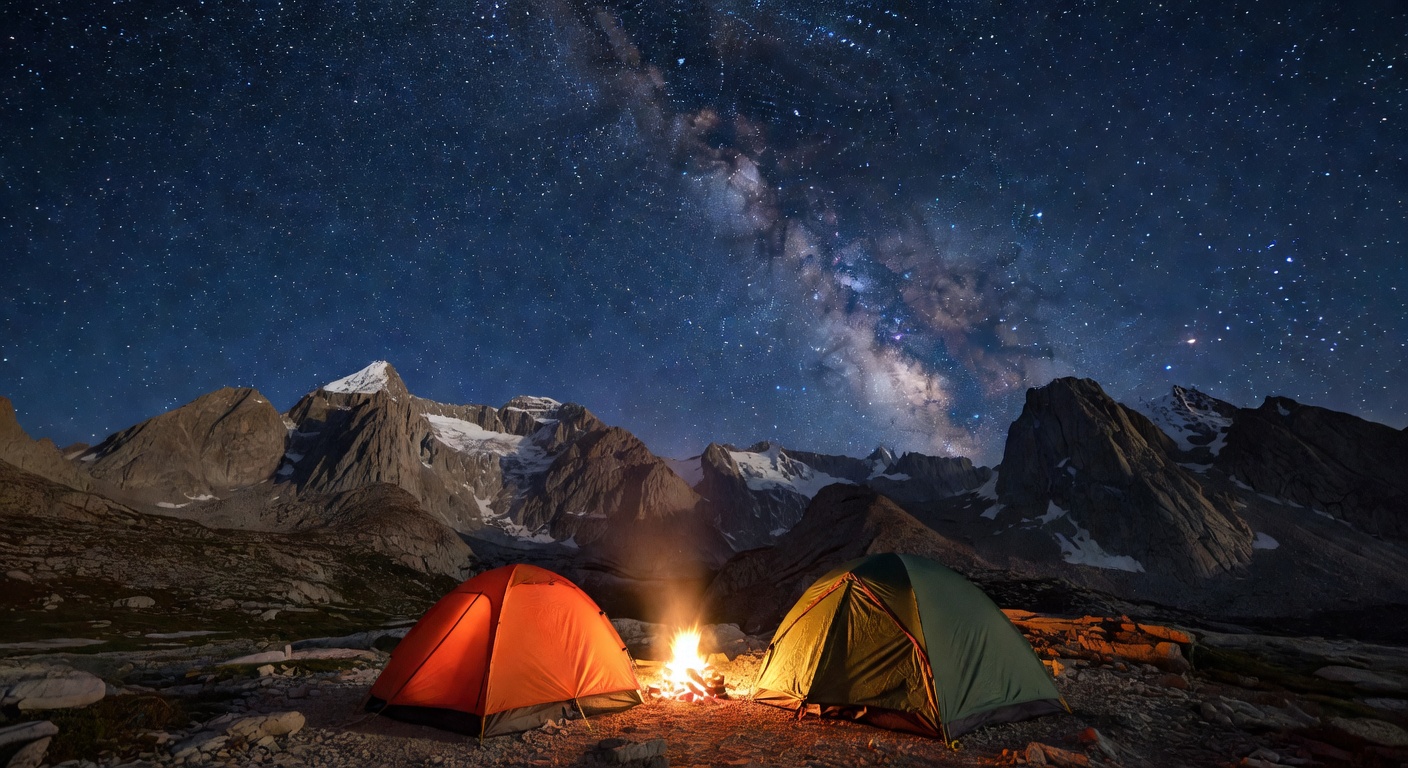
Everest Base Camp at 5,364 metres is not what most people imagine. There is no summit view — the mountain hides behind the Khumbu Icefall. What you find instead is a sprawling city of colourful tents, the rumble of icefalls, the snap of prayer flags, and an extraordinary community of humans who have gathered in pursuit of the world's most audacious ambition.
I arrived on a clear morning in late March, 28 days after leaving Kathmandu. I sat on a rock, drank lukewarm tea, and cried — not from exhaustion or altitude, but from a profound, wordless gratitude. The mountains had given me exactly what I had come for: a reckoning. A sense of proportion. A reminder that the world is inconceivably vast and beautiful and indifferent, and that within that indifference there is enormous freedom.
The remaining 32 days of my trip took me through the Gokyo Valley, over the Cho La Pass, and eventually back to Lukla via a different route. I saw glacial lakes, ice-capped passes, golden eagles, and herds of tahr. I ate momos in a dozen tea houses and drank butter tea I genuinely grew to love. I arrived home in London a different person — lighter in some ways, heavier in others, and entirely certain that the mountains would call me back.
3 Comments
This is exactly the kind of writing that makes me want to quit my job and book a flight to Kathmandu. The section on altitude — "breathing became a conscious act" — really resonated. I did EBC in 2023 and that's precisely how it feels. Brilliant piece, Marcus.
Thank you for being so honest about the altitude sickness. Most trek accounts gloss over it or treat it as something to be ashamed of. The reality is that acclimatisation is not optional and the mountain really doesn't care who you are. Your description of Gorak Shep nights gave me flashbacks — in the best way!
Incredible storytelling. I'm planning my EBC trip for autumn 2026 and this has been the most useful — and most moving — preparation I've done. The memorial chortens section hit hard. These mountains demand respect and this article gives it to them fully.