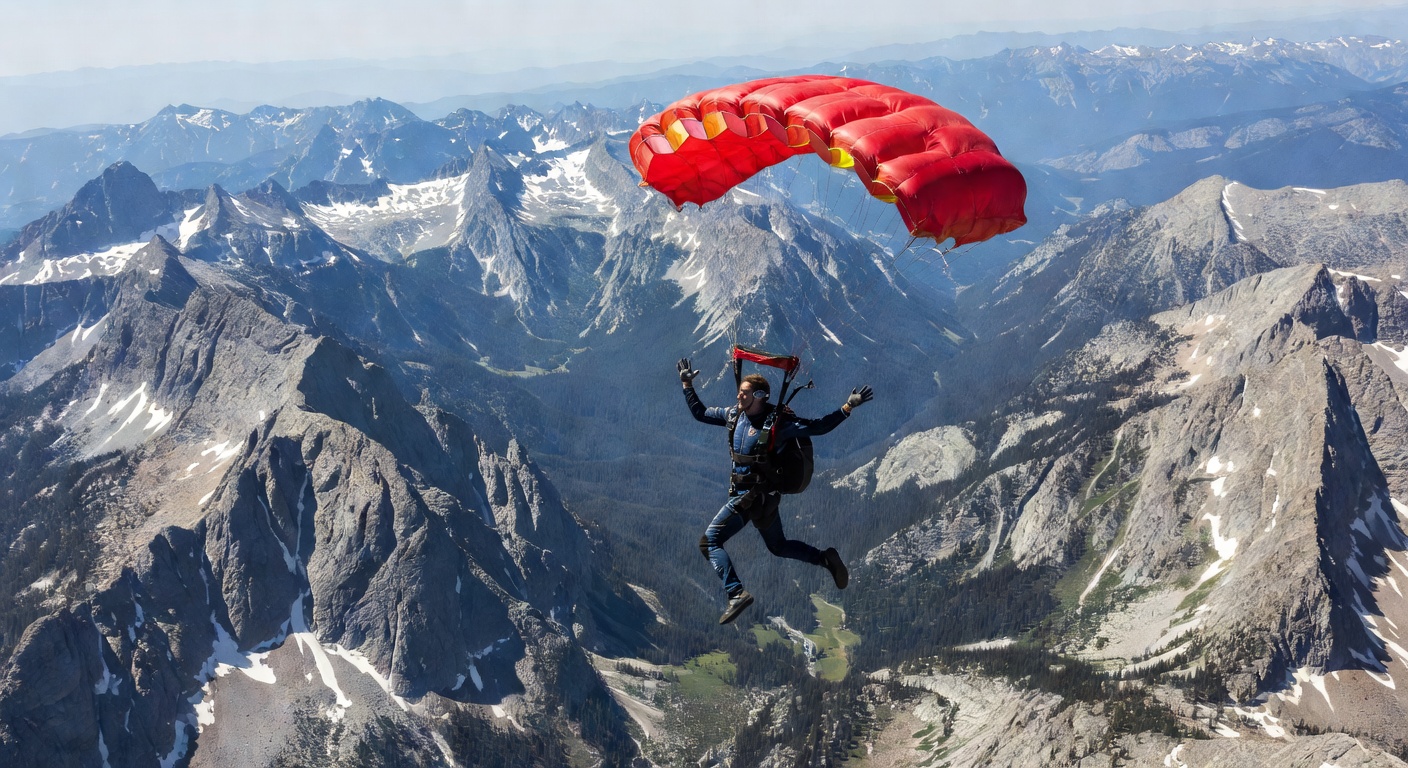
Why We Chase the Edge
There is something deep in human wiring that craves the limit. Not the comfortable boundary of daily life — the real limit, the one where the body floods with cortisol and adrenaline and the mind becomes laser-focused on a single present moment. Extreme sports are not, as many assume, a form of recklessness. They are, when practised thoughtfully, one of the most rigorous and rewarding disciplines a human being can undertake.
The extreme sports community has grown dramatically in the past decade. What were once fringe pursuits — BASE jumping, free soloing, wingsuit flying — now attract athletes from engineering, medicine, and academia. The crossover of technical expertise with raw physical daring has created a new breed of adventurer: meticulous, data-driven, and absolutely fearless in pursuit of the possible.
In this piece, we explore six of the world's most demanding extreme sports, examining what makes each unique, what it demands from its practitioners, and what it gives back.
BASE Jumping: Architecture of the Fall
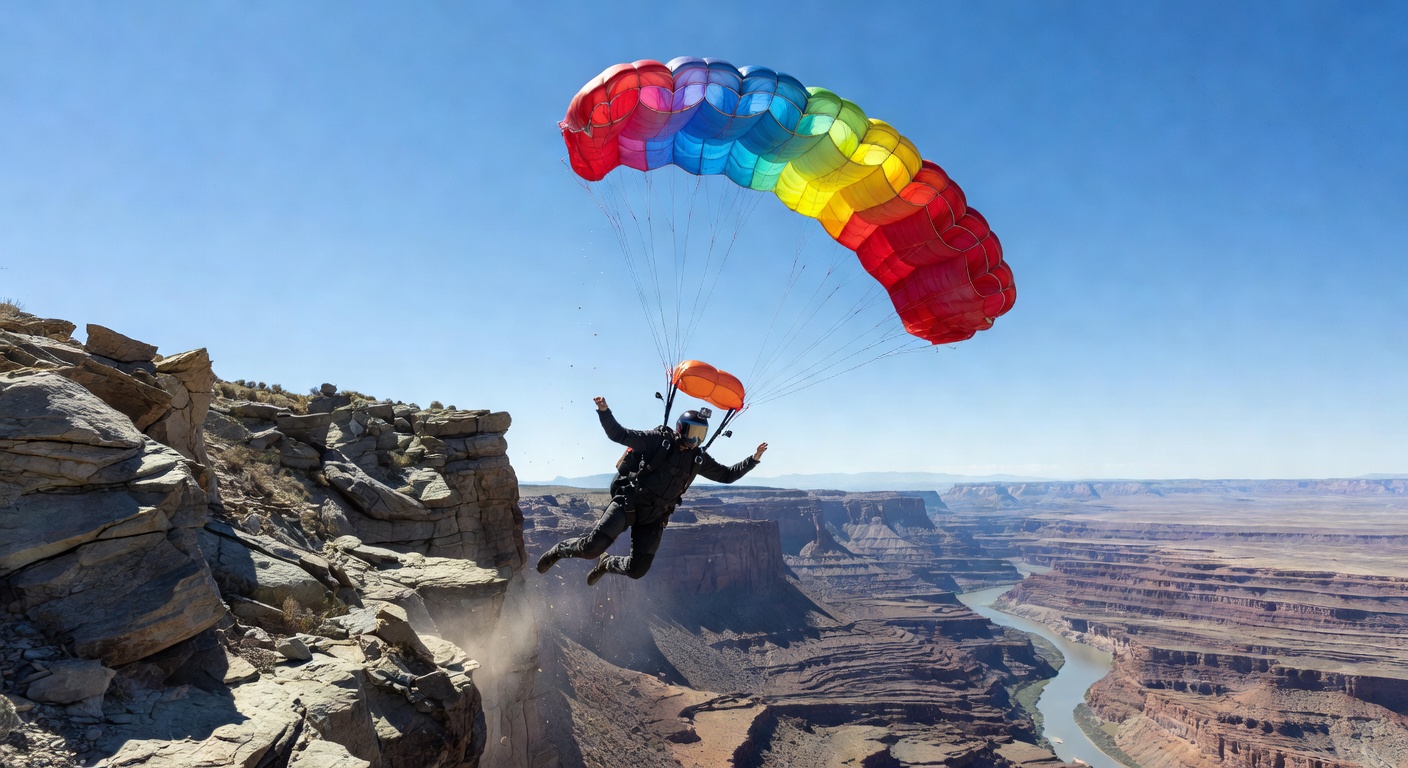
BASE is an acronym: Buildings, Antennas, Spans (bridges), Earth (cliffs and mountains). Unlike skydiving — which gives you altitude and time — BASE jumping compresses everything into seconds. From a cliff jump, a practitioner may have 2–4 seconds before deploying their parachute. There is no margin. There is no retry.
The world's premier BASE jumping locations read like a geography of vertigo: the Dolomites in Italy, Kjeragbolten in Norway, the Tianmen Mountain in China. Norway's Lysefjord has hosted BASE jumpers since the 1990s, and its community of permanent residents and visiting athletes has built a detailed culture of safety, mentorship, and incident analysis.
Entry into BASE jumping is gated — properly gated — by hundreds of skydiving jumps, canopy courses, and mentored progression. The BASE Fatality List, maintained by the community since 1981, is read and re-read by serious practitioners. Every incident is analysed. Every fatality is a lesson. The culture of safety within BASE jumping is, paradoxically, one of the most rigorous in any sport.
Risk Level: Extreme
BASE jumping has the highest fatality rate of any extreme sport. Proper progression, mentorship, and hundreds of skydiving jumps are non-negotiable prerequisites.
Bungee Jumping & Canyon Swings
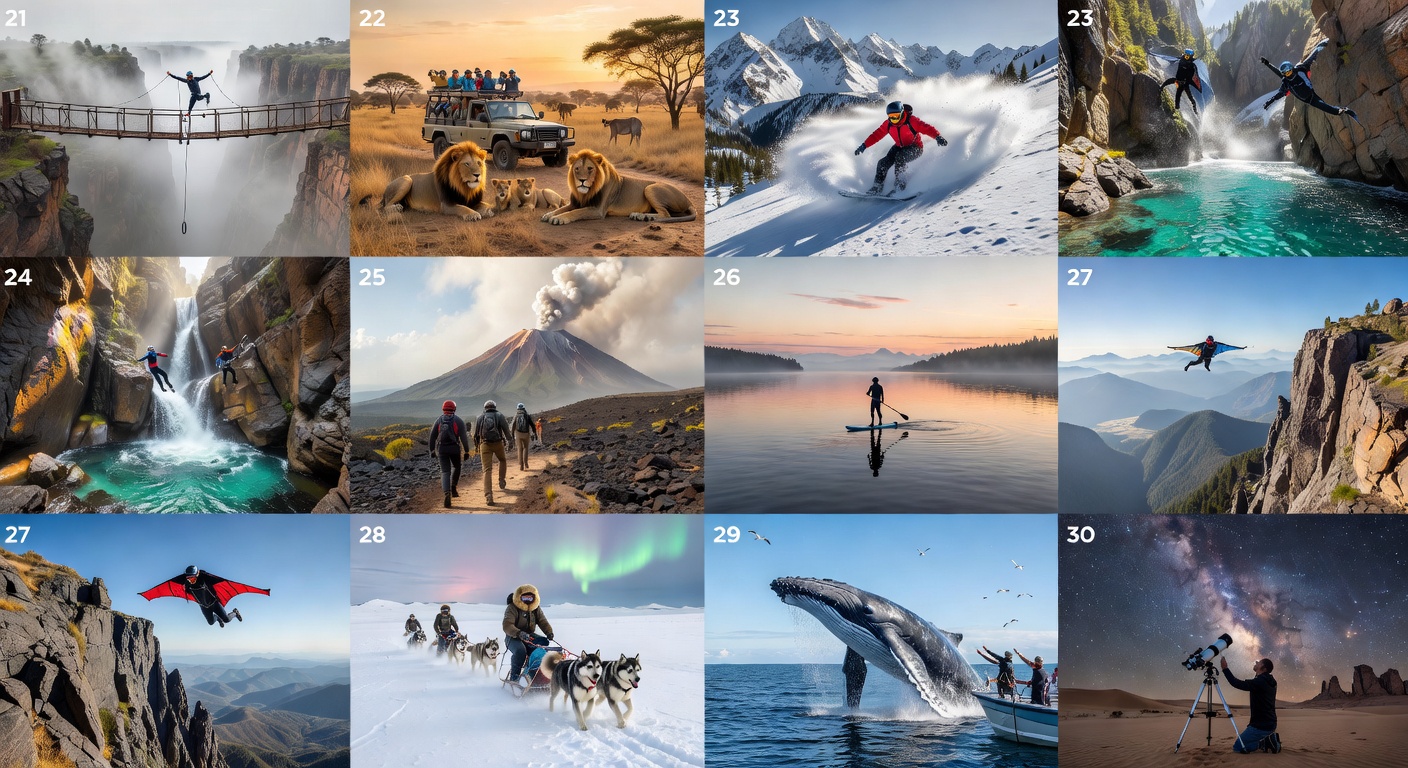
Bungee jumping is, in many ways, the democratised version of vertical terror. Commercial operations worldwide — from New Zealand's Nevis Highwire to the Bloukrans Bridge in South Africa — allow ordinary people to experience freefall in a controlled, managed environment. The mathematics of a bungee jump are deceptively elegant: a precisely calibrated elastic cord, a known body weight, and a predetermined drop distance must combine to bring the jumper to rest exactly where the designers intended.
Canyon swings take a different approach — rather than rebounding, the jumper swings in a vast arc across a gorge or valley. The sensation differs fundamentally from bungee: instead of the stomach-churning vertical yo-yo, you experience a rushing horizontal arc, wind roaring past your face as the canyon walls blur by. Sites like the Shotover Canyon Swing in Queenstown have turned this into fine art.
For those seeking a first introduction to height-based adrenaline, bungee and swing operations offer a professionally managed gateway. The psychological barrier — walking to the edge and stepping off — is the real challenge. The body's threat response fires intensely, and overriding it is a genuine act of conscious courage.
Cliff Jumping & Deep Water Soloing
"Free soloing is not about not being afraid. It's about understanding the fear completely — where it lives in your body, how it affects your movement — and then moving through it with absolute precision."
— Elena Vasquez, after completing her first deep water solo route
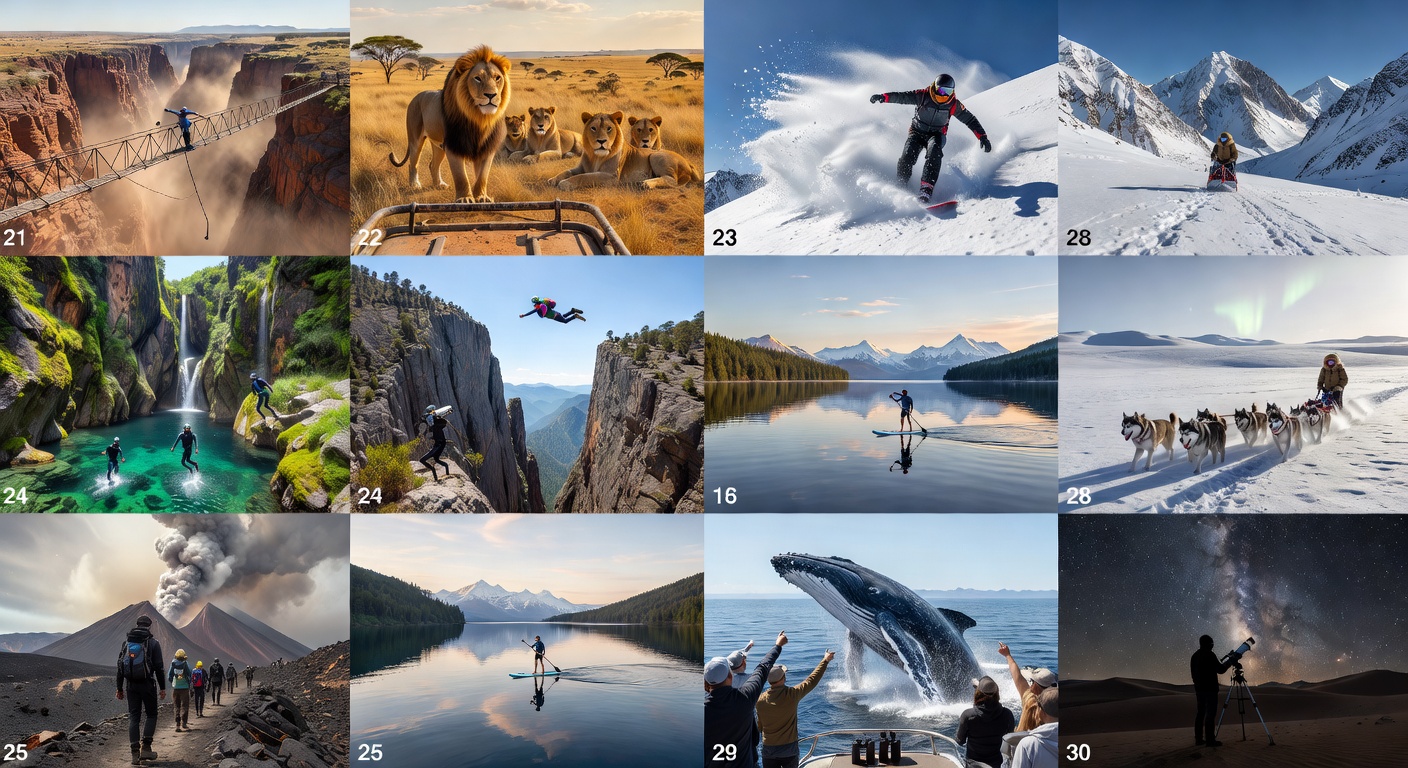
Cliff jumping ranges from the entirely accessible (a 5-metre river rock) to the genuinely elite (the 27-metre platform at the Red Bull Cliff Diving World Series). What makes cliff jumping uniquely compelling is its purity — there is no equipment between you and the water, no parachute, no bungee cord. Just the human body, gravity, and the blue below.
Deep Water Soloing (DWS) adds a climbing element. Practitioners free-solo overhanging coastal cliffs — no ropes, no harnesses — above deep, clear seawater. When you fall, as you inevitably do, the sea catches you. Mallorca's sea cliffs are the spiritual home of DWS; the rock is dramatic limestone, the holds are featured, and the water below is dazzlingly clear. The combination of climbing's technical demands with the consequence of a fall creates an intensity unlike any other discipline.
Canyoning: Descending the Earth
Canyoning — or canyoneering in American English — involves descending river canyons using a combination of hiking, swimming, rappelling, jumping, and sliding. The world's finest canyons offer natural water slides carved by millennia of erosion, plunge pools of impossible colour, and rappels down flowing waterfalls that feel like descending into another dimension.
The Zion Narrows in Utah, the Verdon Gorge in France, the slot canyons of Oman, and the technical descents of New Zealand's South Island are on every serious canyoneer's list. Each demands a different skill set — some are primarily aquatic, requiring wetsuits and swimming strength; others are technical rappelling challenges in near-dry conditions.
Canyoning requires genuine multi-disciplinary competence: rope work, hydrology, meteorology (flash floods are the primary hazard), first aid, and navigation. Yet it rewards its practitioners with access to geological worlds that no other sport can reach — places where canyon walls rise hundreds of metres on either side, the sky is a slot of blue far above, and the sound of water echoes in natural chambers that have never known human-made sound.
Ice Climbing: Vertical Frozen World
Ice climbing transforms what is ordinarily an obstacle — a frozen waterfall, a glacial serac — into a vertical playground. Using front-pointed crampons and ice axes (technical tools with aggressive picks), climbers ascend frozen water by precise, rhythmic sequences of tool placements and footwork. The ice itself is dynamic: colour indicates quality, temperature determines behaviour, and a warm afternoon can transform a bulletproof pillar into a dripping, dangerous hazard.
The sport divides broadly into waterfall ice (WI grades) and mixed climbing (M grades, combining ice and rock). World-class destinations include Ouray, Colorado — which hosts an annual ice festival — Val Veny in Italy, and the Cogne valley in Italy's Aosta region. In Canada, the Rockies around Banff offer some of the most spectacular frozen objectives on Earth: multi-pitch ice routes ascending hundreds of metres of blue-white ice with mountain panoramas that stop your breath.
Ice climbing demands intense upper body strength and grip endurance, but it equally demands technical precision — a poorly placed tool can pop unexpectedly, and on steep ice, falls are commonplace. Learning to fall safely, trust your gear, and maintain psychological calm when hanging by two picks above a void is a process that takes years and produces a deep, specific confidence that transfers nowhere else quite so directly.
3 Comments
The section on BASE jumping's safety culture is so important. Most people assume BASE jumpers are reckless — the reality is the opposite. The analysis of incidents, the mentorship culture, the gated progression: it's more rigorous than many "safe" sports. Great writing, Elena.
I did my first canyoning trip last year in the Verdon Gorge and it was genuinely transformative. The geology alone is worth the trip — but the combination of rappelling, swimming, and jumping creates this incredible full-body engagement that I've found in no other activity. Dreaming of Oman next.
Ice climbing completely changed how I think about challenge and consequence. You described the psychological dimension perfectly — learning to fall safely, trusting your tools, maintaining calm above the void. That applies to everything in life. Best article I've read on this site.